When is the actual best time of year to replace a roof in Boston?
The sweet spot for roof replacement in Boston falls between late April and early October. This six-month window avoids the harsh winter freeze that prevents proper shingle sealing and the peak summer heat that makes working conditions dangerous. Most Boston homeowners find late spring through early fall offers the ideal balance of weather conditions, contractor availability, and material performance.. Read more about How high humidity in Boston summers affects your new roof installation.
Boston’s climate creates unique challenges that dictate timing. The freeze-thaw cycles from November through March can cause ice dams and structural stress, while summer thunderstorms and high humidity affect material adhesion. Understanding these patterns helps you schedule your project during the most favorable conditions.
Seasonal Breakdown: What Each Timeframe Offers Boston Homeowners
Spring brings moderate temperatures perfect for roofing work, typically ranging from 45-70°F. This weather allows shingles to seal properly without the extreme heat that can make materials too pliable. However, spring also brings frequent rain showers and the tail end of winter storms, which can cause scheduling delays. Why Metal Roofing is Becoming a Top Choice for Coastal East Boston Homes.
Summer offers the longest daylight hours and most predictable weather, but July and August temperatures often exceed 85°F. Asphalt shingles become soft and difficult to handle in extreme heat, and workers face safety concerns from heat exposure. The upside is minimal rain delays and maximum daylight for longer workdays.
Fall emerges as the most popular season for Boston roof replacements. September and October provide ideal temperatures between 50-70°F, minimal precipitation, and comfortable working conditions. Many homeowners schedule projects during this time to prepare for winter, creating high demand and potentially longer wait times. EPA roofing and flashing guidelines.
Winter roof replacement in Boston presents significant challenges. Temperatures below 40°F prevent proper shingle sealing, and snow or ice accumulation creates safety hazards. While emergency repairs are possible using specialized cold-weather adhesives, full replacements are generally impractical from November through March. 24/7 Emergency Roof Repair.

The Cost Factor: How Timing Affects Your Bottom Line
Roofing contractors in Boston experience predictable pricing fluctuations throughout the year. Late spring through early fall represents peak season when demand is highest. During these months, you might pay 10-15% more than during slower periods due to high demand and limited availability. The Best Roofing Strategies for Multi-Family Property Owners in Savin Hill.
Late fall and early winter often bring the best pricing opportunities. Contractors seek to keep their crews busy before the holiday season and may offer discounts of 5-10% to secure projects. However, these savings must be weighed against the challenges of cold-weather installation and potential weather delays.
Material costs also fluctuate seasonally. Suppliers sometimes offer end-of-season discounts on inventory they need to clear before winter storage. These savings typically appear in late October and early November, but availability becomes limited as the season progresses.
Emergency situations don’t follow seasonal pricing patterns. When your roof leaks during a storm or shows signs of structural failure, immediate repair takes priority over cost considerations. Having a trusted contractor’s contact information ready prevents panic decisions during crisis moments.
Material Considerations for Boston’s Climate
Asphalt shingles dominate the Boston market due to their cost-effectiveness and adaptability to local conditions. These materials require temperatures above 40°F for proper installation and sealing. The thermal sealing process, where shingles bond to each other, needs several days of warm weather to complete properly.
Metal roofing systems offer excellent durability for Boston’s coastal environment but require different installation considerations. Metal panels expand and contract with temperature changes, so installation must account for these movements. Spring and fall provide ideal conditions for metal roofing work, avoiding the extreme temperature swings that affect material behavior. Roofing Quincy.
Slate and tile roofing, common in Boston’s historic districts, demand specialized installation techniques. These materials are heavy and require careful handling regardless of season. The weight considerations become more critical during winter when frozen ground affects crane and equipment access. Tile Roofing Services.
Underlayment selection also depends on timing. Synthetic underlayments perform better in cold weather than traditional felt paper, which can become brittle and tear in freezing temperatures. Your contractor might recommend different underlayment products based on your project timeline.
Emergency Indicators: When You Can’t Wait for the Perfect Season
Certain roof conditions demand immediate attention regardless of season. Active leaks that cause interior water damage require emergency repair to prevent mold growth and structural deterioration. Water infiltration during Boston’s rainy season can escalate from minor to major damage within hours.
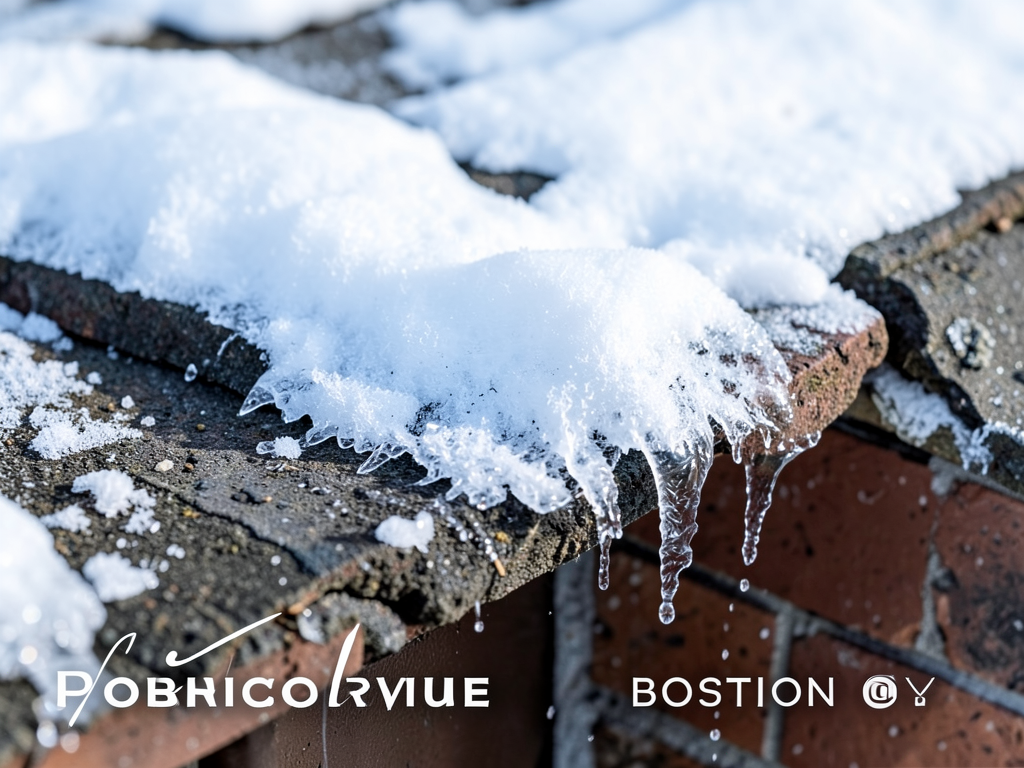
Ice dam formation signals inadequate attic ventilation or insulation. These ice formations create water backup under shingles, leading to leaks and potential ceiling collapse. The weight of ice dams also stresses roof structures, particularly on older Boston homes with aging framing systems.
Missing or damaged shingles after storms leave your roof vulnerable to water infiltration. Boston’s frequent Nor’easters can remove multiple shingles in a single event, exposing the underlayment to the elements. Temporary tarping provides protection until permanent repairs can be scheduled.
Structural sagging indicates serious problems requiring immediate assessment. This condition often results from long-term water damage, excessive snow loads, or compromised framing members. The risk of partial roof collapse makes this an emergency regardless of weather conditions.
Planning Your Boston Roof Replacement Project
Successful roof replacement requires careful planning beyond just picking a season. Start by obtaining multiple estimates from licensed Massachusetts contractors, ideally 2-3 months before your target installation window. This timeline allows for material ordering, permit acquisition, and scheduling coordination. Massachusetts State Building Code.
Permit requirements vary by Boston neighborhood and building type. The Massachusetts State Building Code (780 CMR) mandates specific ice barrier requirements, extending 24 inches inside the exterior wall line in areas prone to ice damming. Historic districts may require additional approvals for visible changes to your home’s exterior.
Material lead times have increased in recent years due to supply chain disruptions. Popular shingle colors and specialty materials may require 4-8 weeks for delivery. Planning your project during slower seasons can reduce wait times for both materials and contractor availability.
Weather monitoring becomes crucial as your installation date approaches. Your contractor should have contingency plans for rain delays, including protective measures for partially completed work. Understanding these protocols helps manage expectations about project duration.
Maximizing Your Investment: Off-Season Strategies
Homeowners seeking cost savings can employ several strategies for off-season projects. Scheduling your replacement during late fall or early winter often yields the best pricing, but requires working with contractors experienced in cold-weather techniques.
Consider a phased approach for large projects. Complete critical areas during optimal weather conditions, then address remaining sections during slower periods. This strategy balances cost savings with quality installation requirements.
Bundle services for better pricing. Combining roof replacement with related work like gutter installation, attic insulation, or ventilation upgrades often results in package discounts. Contractors prefer comprehensive projects that maximize crew efficiency.
Ask about material flexibility. Sometimes choosing a slightly different shingle color or style can reduce lead times and costs without compromising quality. Your contractor can guide you toward readily available options that still meet your aesthetic preferences.
Local Building Considerations for Boston Neighborhoods
Boston’s diverse neighborhoods present unique roofing challenges. Historic districts like Beacon Hill and the South End require compliance with preservation guidelines, often mandating specific materials or installation methods that respect architectural character.. Read more about Picking the right roofing system for your new ADU in the City of Boston.
Coastal areas face additional considerations from salt air exposure and hurricane-force winds. Building codes in these zones may require enhanced fastening systems and impact-resistant materials. The Massachusetts State Building Code includes specific provisions for wind uplift resistance in coastal regions.
Urban settings create logistical challenges for material delivery and equipment staging. Narrow streets and limited driveway access in neighborhoods like the North End require careful planning for crane placement and material storage. Some projects may need special permits for street closures or parking restrictions.
Multi-family buildings present different considerations than single-family homes. These structures often require additional safety measures, specialized equipment, and coordination with multiple property owners. The Massachusetts Department of Public Safety oversees specific requirements for commercial roofing projects.
Frequently Asked Questions
How long does a typical roof replacement take in Boston?
Most residential roof replacements in Boston require 1-3 days under ideal conditions. Weather delays, structural repairs, or complex architectural features can extend this timeline. Your contractor should provide a detailed schedule including contingency plans for weather interruptions.. Read more about Comparing 3-tab and architectural shingles for budget-conscious Mattapan homeowners.
Can I stay in my home during roof replacement?
Yes, most homeowners remain in their homes during replacement. The noise and vibration can be disruptive, so consider temporary arrangements if you work from home or have young children. Contractors typically work during daylight hours and clean up thoroughly at the end of each day.. Read more about How to survive the chaos and noise of a roof replacement while working from home.
What permits are required for roof replacement in Boston?
Most roof replacements require a building permit from the Boston Inspectional Services Department. Historic district properties may need additional approvals. Your contractor should handle permit acquisition, but you should verify they have obtained all necessary permissions before work begins.
How do I know if my roof needs replacement versus repair?
Age is a primary factor – asphalt shingles typically last 20-25 years in Boston’s climate. Other indicators include widespread curling or buckling, multiple leak locations, and visible sagging. A professional inspection can determine whether repair or replacement offers the most cost-effective solution.
What warranties should I expect with a new roof?
Quality roof replacements include both manufacturer warranties on materials (typically 20-50 years) and workmanship warranties from the contractor (usually 5-10 years). Verify warranty terms in writing and understand what’s covered, including labor costs for potential future repairs.
Take Action: Don’t Let Weather Dictate Your Timeline
Understanding Boston’s roofing seasons empowers you to make informed decisions about your home improvement project. Whether you’re planning ahead for optimal conditions or facing an emergency that demands immediate attention, knowledge of local factors helps you navigate the process successfully.
The best time to replace your roof ultimately depends on your specific circumstances – budget constraints, urgency of repairs, and personal scheduling needs all factor into the decision. What matters most is working with experienced Boston contractors who understand local building codes, weather patterns, and material performance requirements.
Ready to discuss your roofing project? Call (857) 387-1711 today to schedule your free inspection and estimate. Our team specializes in Boston-area homes and can help you determine the optimal timing for your specific situation. Don’t wait until a small problem becomes a major emergency – proactive planning saves time and money.
Pick up the phone and call (857) 387-1711 before the next storm hits. Whether you need emergency repairs or are planning a seasonal replacement, we’re here to protect your home with quality workmanship and materials designed for New England’s challenging climate.
You may also find this helpful. Essential late-fall roof maintenance for Boston homeowners before the first big freeze.
{
“@context”: “https://schema.org”,
“@type”: “BlogPosting”,
“headline”: “When is the actual best time of year to replace a roof in Boston?”,
“description”: “Discover the optimal seasons for roof replacement in Boston’s harsh climate. Learn when to schedule your project to avoid weather delays and maximize contractor availability.”,
“wordCount”: 1782,
“datePublished”: “2026-05-15T13:06:00.000Z”,
“dateModified”: “2026-05-15T13:06:00.000Z”,
“inLanguage”: “en-US”,
“mainEntityOfPage”: {
“@type”: “WebPage”,
“@id”: “https://silverlineroofingboston.com”
},
“publisher”: {
“@type”: “LocalBusiness”,
“name”: “Silverline Roofing Boston”,
“url”: “https://silverlineroofingboston.com”
},
“author”: {
“@type”: “Organization”,
“name”: “Silverline Roofing Boston”,
“url”: “https://silverlineroofingboston.com”
},
“image”: {
“@type”: “ImageObject”,
“url”: “https://silverlineroofingboston.com/wp-content/uploads/2026/03/when-is-the-actual-best-time-of-year-to-replace-a-1.png”
}
}
{
“@context”: “https://schema.org”,
“@type”: “RoofingContractor”,
“name”: “Silverline Roofing Boston”,
“url”: “https://silverlineroofingboston.com”,
“address”: {
“@type”: “PostalAddress”,
“addressLocality”: “Boston”
},
“areaServed”: {
“@type”: “City”,
“name”: “Boston”
}
}
{
“@context”: “https://schema.org”,
“@type”: “FAQPage”,
“mainEntity”: [
{
“@type”: “Question”,
“name”: “How long does a typical roof replacement take in Boston?”,
“acceptedAnswer”: {
“@type”: “Answer”,
“text”: “Most residential roof replacements in Boston require 1-3 days under ideal conditions. Weather delays, structural repairs, or complex architectural features can extend this timeline. Your contractor should provide a detailed schedule including contingency plans for weather interruptions.”
}
},
{
“@type”: “Question”,
“name”: “Can I stay in my home during roof replacement?”,
“acceptedAnswer”: {
“@type”: “Answer”,
“text”: “Yes, most homeowners remain in their homes during replacement. The noise and vibration can be disruptive, so consider temporary arrangements if you work from home or have young children. Contractors typically work during daylight hours and clean up thoroughly at the end of each day.”
}
},
{
“@type”: “Question”,
“name”: “What permits are required for roof replacement in Boston?”,
“acceptedAnswer”: {
“@type”: “Answer”,
“text”: “Most roof replacements require a building permit from the Boston Inspectional Services Department. Historic district properties may need additional approvals. Your contractor should handle permit acquisition, but you should verify they have obtained all necessary permissions before work begins.”
}
},
{
“@type”: “Question”,
“name”: “What warranties should I expect with a new roof?”,
“acceptedAnswer”: {
“@type”: “Answer”,
“text”: “Quality roof replacements include both manufacturer warranties on materials (typically 20-50 years) and workmanship warranties from the contractor (usually 5-10 years). Verify warranty terms in writing and understand what’s covered, including labor costs for potential future repairs.”
}
}
]
}
{
“@context”: “https://schema.org”,
“@type”: “BreadcrumbList”,
“itemListElement”: [
{
“@type”: “ListItem”,
“position”: 1,
“name”: “Home”,
“item”: “https://silverlineroofingboston.com”
},
{
“@type”: “ListItem”,
“position”: 2,
“name”: “Blog”,
“item”: “https://silverlineroofingboston.com/blog”
},
{
“@type”: “ListItem”,
“position”: 3,
“name”: “When is the actual best time of year to replace a roof in Boston?”
}
]
}
{
“@context”: “https://schema.org”,
“@type”: “Service”,
“serviceType”: “Roofing”,
“provider”: {
“@type”: “LocalBusiness”,
“name”: “Silverline Roofing Boston”,
“url”: “https://silverlineroofingboston.com”
},
“areaServed”: {
“@type”: “City”,
“name”: “Boston”
},
“description”: “Discover the optimal seasons for roof replacement in Boston’s harsh climate. Learn when to schedule your project to avoid weather delays and maximize contractor availability.”
}