
Identifying Granule Loss and When It Means Your Shingles Are Reaching the End of the Road
Finding gritty sand-like particles in your gutters can be alarming especially if you’re not sure what they are. These particles are asphalt shingle granules and they serve as the first line of defense against UV rays and weather damage. While some granule loss is normal new shingles shedding excess material during installation excessive granule loss especially on older roofs can signal that your shingles are nearing the end of their lifespan. This guide will help you understand what granule loss looks like why it happens and when it’s time to call a professional before your roof develops leaks or fails completely. The Best Way to Keep Gutters Clog-Free in Wooded West Roxbury Neighborhoods.
Is Granule Loss Normal? New vs. Old Roofs
Understanding the difference between normal and concerning granule loss starts with knowing your roof’s age. New asphalt shingles typically shed a small amount of granules during the first few months after installation. This is called factory shedding and it happens when loose granules that were applied during manufacturing wash away naturally. You might notice this in your gutters or at the base of your downspouts during your first year with a new roof. Bringing Natural Light into Your South End Attic with Custom Skylights.
However if your roof is more than 15 years old and you’re finding significant amounts of granules in your gutters or noticing bald spots on your shingles the situation changes. Age-related granule loss occurs when the asphalt binder holding the granules begins to break down from UV exposure freeze-thaw cycles and general weathering. In Boston’s harsh climate where roofs face heavy snow loads nor’easters and extreme temperature swings this process can accelerate significantly.
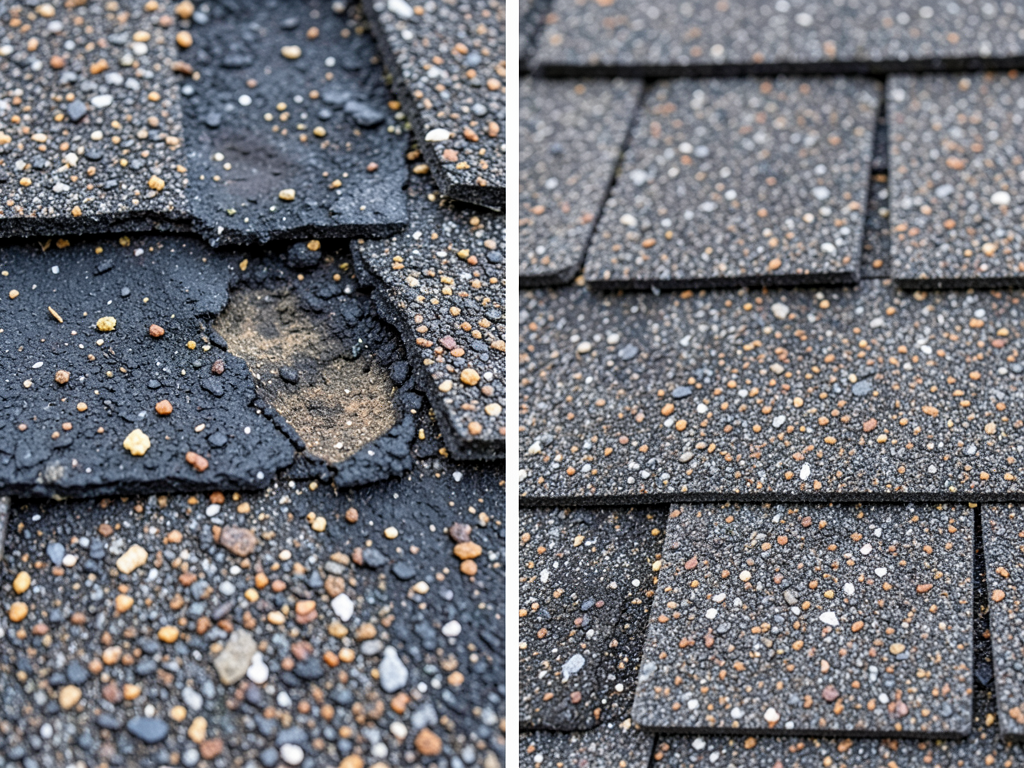
The key diagnostic difference is pattern and volume. New roof shedding creates a light even dusting of granules. Age-related loss shows up as concentrated areas of missing granules often accompanied by curling edges or cracked shingles. If you’re seeing handfuls of granules when cleaning your gutters or noticing exposed asphalt matting on your roof it’s time for a professional inspection.. Read more about What a Red Flag Home Inspection Report Means for Your Potential New House in Woburn.
5 Common Causes of Shingle Granule Loss in New England
Boston’s unique climate creates several specific challenges for asphalt shingles. Understanding these causes can help you identify whether your granule loss is normal weathering or a sign of serious roof damage.
- Thermal Shock From Temperature Swings Boston experiences dramatic temperature changes throughout the year. When daytime temperatures hit 50 degrees and nighttime temperatures drop to 20 degrees the constant expansion and contraction of roofing materials causes the asphalt to become brittle and the granules to loosen and fall off.
- Hail Damage While not as common as in the Midwest Massachusetts still experiences severe thunderstorms that can produce hail. Hail impacts create circular spots where granules are knocked away exposing the underlying asphalt to accelerated UV damage.
- Ice Dam Scouring Ice dams form when heat escapes through your attic melting snow on the roof which then refreezes at the eaves. As ice builds up and melts repeatedly it can scour granules from shingles especially in the lower sections of your roof where ice dams typically form.
- Foot Traffic Walking on your roof for maintenance or when installing holiday decorations can dislodge granules especially on older brittle shingles. This damage is often concentrated in specific patterns showing where people walked.
- Poor Attic Ventilation Inadequate ventilation causes excessive heat buildup in your attic which can bake your shingles from below. This heat accelerates the breakdown of the asphalt binder causing premature granule loss and reducing your roof’s overall lifespan.
How to Inspect Your Roof for Granule Loss Safely
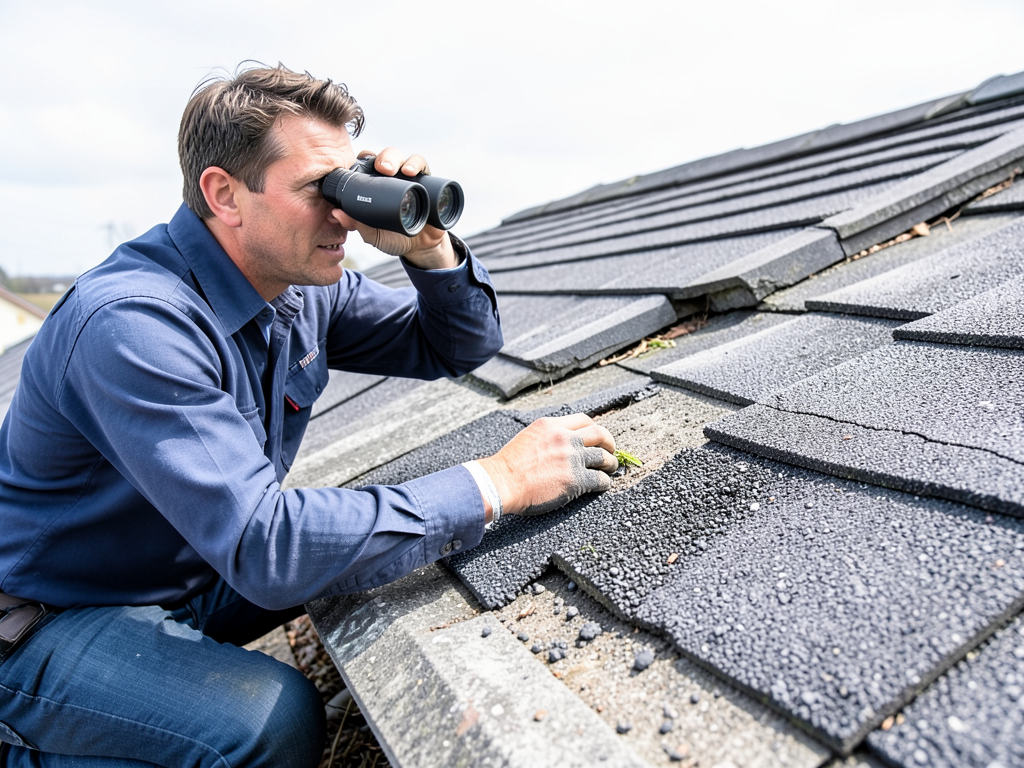
Before climbing onto your roof understand that walking on an aging roof can cause additional damage and create safety hazards. For most homeowners the safest inspection method involves examining your gutters and using binoculars to check your roof from the ground.
Start by checking your gutters when they’re dry. Look for accumulations of sandy material that resembles coarse black pepper or fine gravel. The color varies depending on your shingle type but it’s typically a mix of black gray and colored particles. If you find significant buildup especially in just one section of gutter this could indicate a problem area on your roof.
Next examine your downspouts where they connect to the gutters. granule accumulation here often appears as a dark gritty residue that washes out during rain. Use a small garden trowel to scoop some of this material into a clear container. If you see mostly uniform colored particles with some black mixed in this is likely normal shedding. If you see mostly black or dark gray material with very few colored particles your shingles may be deteriorating.
Using binoculars look for these warning signs from the ground: bald spots where granules are completely missing exposing the black asphalt matting underneath. Areas where shingles appear darker than surrounding sections. Curled or cracked shingles especially near roof edges or in valleys where water concentrates. If you spot any of these signs contact a professional roofer for a closer inspection.
Repair vs Replace: The Cost of Waiting
Understanding when granule loss requires repair versus complete replacement can save you thousands of dollars. The decision depends on several factors including your roof’s age the extent of granule loss and the underlying cause of the damage. EPA lead-safe practices.
For roofs under 10 years old with localized granule loss caused by specific events like a recent hailstorm repair might be possible. This typically involves replacing individual damaged shingles in affected areas. However if the granule loss is widespread and your roof is approaching or past its expected 20-25 year lifespan replacement is usually the more cost-effective long-term solution. 24/7 Emergency Roof Repair.
The real danger of waiting too long is that granule loss leads to a cascade of problems. Without their protective granule layer shingles become vulnerable to UV radiation which breaks down the asphalt binder causing the shingles to become brittle and crack. Water can then penetrate through these cracks leading to leaks mold growth and structural damage to your roof deck and attic. In Boston’s climate where winter ice dams can force water under shingles even small areas of granule loss can quickly become major leak points.
Consider this local cost comparison: A typical repair for localized granule loss in the Boston area might cost between $500 and $1500 depending on the extent of damage. However waiting until you have active leaks can push repair costs to $2000-$5000 for water damage repair plus the cost of roof work. A full roof replacement for an average Boston home typically ranges from $8000 to $15000. While this seems expensive it’s often more economical than paying for repeated repairs on a failing roof plus the potential cost of interior water damage which can easily exceed $10000 for ceiling drywall and insulation replacement.. Read more about Why It Might Be Time to Consider a Full Tear Off Instead of a Simple Roof Layover.
Expert Solutions for Boston Homeowners
Boston’s unique climate and building requirements mean that effective roof repair and replacement requires local expertise. The city’s mix of historic homes in neighborhoods like the South End and newer construction in areas like the Seaport District each present different roofing challenges that require specific knowledge and materials. Why Metal Roofing is Becoming a Top Choice for Coastal East Boston Homes.
For historic homes in Boston’s older neighborhoods maintaining architectural integrity while ensuring modern weather protection is crucial. These homes often require specialized underlayment systems and ice and water shield installation that meets both preservation guidelines and current building codes. The Massachusetts State Building Code 780 CMR Section 36 requires ice barrier underlayment to extend at least 24 inches inside the exterior wall line in areas prone to ice damming a critical requirement for Boston’s winter climate.. Read more about Synthetic Underlayment vs Traditional Felt Paper for Your Next Roof Project in Waltham.
Modern homes and commercial properties in Boston face different challenges. Many newer buildings feature low-slope or flat roof designs that require different materials and installation techniques than traditional pitched roofs. These structures need specialized membrane systems and proper drainage solutions to handle Boston’s heavy rainfall and snow loads.
When evaluating roofing contractors look for those with specific experience in your neighborhood type. A contractor who specializes in historic Beacon Hill brownstones may not be the best choice for a contemporary home in Charlestown. Ask about their experience with local weather patterns their familiarity with Boston’s building permit requirements and whether they offer warranties that cover both materials and workmanship. The Best Roofing Strategies for Multi-Family Property Owners in Savin Hill.
Don’t wait until you have active leaks or visible ceiling stains to address granule loss. By that point you’re likely facing more extensive and expensive repairs. Call (857) 387-1711 today to schedule your inspection. A professional evaluation can identify whether your granule loss is normal aging or a sign of serious roof failure giving you peace of mind and protecting your home from costly water damage.
Frequently Asked Questions
How much granule loss is normal for a new roof?
Some granule loss during the first few months after installation is completely normal. This factory shedding typically stops within the first year and shouldn’t result in visible bald spots on your shingles.
Can I repair just the areas with granule loss or do I need a full replacement?
If your roof is under 10 years old and the granule loss is localized due to specific damage like hail repair might be possible. However widespread granule loss on an older roof usually indicates the entire roof system is failing and requires replacement.
How long will my roof last after I notice significant granule loss?
Once you notice significant granule loss your roof’s remaining lifespan is typically 2-5 years depending on the extent of damage and your local climate. Boston’s harsh winters can accelerate this timeline so don’t delay professional evaluation.
Does homeowner’s insurance cover granule loss damage?
Insurance typically covers sudden damage from events like hailstorms but not gradual wear and tear from aging. If your granule loss resulted from a covered weather event document the damage with photos and contact your insurance provider promptly.
What’s the best time of year to replace a roof in Boston?
Late spring through early fall offers the most reliable weather for roof replacement in Boston. However experienced contractors can work through winter months using cold-weather installation techniques when necessary. For more information, visit National Roofing Contractors Association.
{
“@context”: “https://schema.org”,
“@type”: “BlogPosting”,
“headline”: “Identifying Granule Loss and When It Means Your Shingles Are Reaching the End of the Road”,
“description”: “Found sand-like grit in your gutters? Learn how to identify granule loss on asphalt shingles and when it signals serious roof damage in Boston’s harsh climate.”,
“wordCount”: 1728,
“datePublished”: “2026-04-08T08:45:00.000Z”,
“dateModified”: “2026-04-08T08:45:00.000Z”,
“inLanguage”: “en-US”,
“mainEntityOfPage”: {
“@type”: “WebPage”,
“@id”: “https://silverlineroofingboston.com”
},
“publisher”: {
“@type”: “LocalBusiness”,
“name”: “Silverline Roofing Boston”,
“url”: “https://silverlineroofingboston.com”
},
“author”: {
“@type”: “Organization”,
“name”: “Silverline Roofing Boston”,
“url”: “https://silverlineroofingboston.com”
},
“image”: {
“@type”: “ImageObject”,
“url”: “https://silverlineroofingboston.com/wp-content/uploads/2026/03/identifying-granule-loss-and-when-it-means-your-sh-1.png”
}
}
{
“@context”: “https://schema.org”,
“@type”: “RoofingContractor”,
“name”: “Silverline Roofing Boston”,
“url”: “https://silverlineroofingboston.com”,
“address”: {
“@type”: “PostalAddress”,
“addressLocality”: “Boston”
},
“areaServed”: {
“@type”: “City”,
“name”: “Boston”
}
}
{
“@context”: “https://schema.org”,
“@type”: “FAQPage”,
“mainEntity”: [
{
“@type”: “Question”,
“name”: “How much granule loss is normal for a new roof?”,
“acceptedAnswer”: {
“@type”: “Answer”,
“text”: “Some granule loss during the first few months after installation is completely normal. This factory shedding typically stops within the first year and shouldn’t result in visible bald spots on your shingles.”
}
},
{
“@type”: “Question”,
“name”: “Can I repair just the areas with granule loss or do I need a full replacement?”,
“acceptedAnswer”: {
“@type”: “Answer”,
“text”: “If your roof is under 10 years old and the granule loss is localized due to specific damage like hail repair might be possible. However widespread granule loss on an older roof usually indicates the entire roof system is failing and requires replacement.”
}
},
{
“@type”: “Question”,
“name”: “How long will my roof last after I notice significant granule loss?”,
“acceptedAnswer”: {
“@type”: “Answer”,
“text”: “Once you notice significant granule loss your roof’s remaining lifespan is typically 2-5 years depending on the extent of damage and your local climate. Boston’s harsh winters can accelerate this timeline so don’t delay professional evaluation.”
}
},
{
“@type”: “Question”,
“name”: “Does homeowner’s insurance cover granule loss damage?”,
“acceptedAnswer”: {
“@type”: “Answer”,
“text”: “Insurance typically covers sudden damage from events like hailstorms but not gradual wear and tear from aging. If your granule loss resulted from a covered weather event document the damage with photos and contact your insurance provider promptly.”
}
},
{
“@type”: “Question”,
“name”: “What’s the best time of year to replace a roof in Boston?”,
“acceptedAnswer”: {
“@type”: “Answer”,
“text”: “Late spring through early fall offers the most reliable weather for roof replacement in Boston. However experienced contractors can work through winter months using cold-weather installation techniques when necessary. For more information, visit National Roofing Contractors Association.”
}
}
]
}
{
“@context”: “https://schema.org”,
“@type”: “BreadcrumbList”,
“itemListElement”: [
{
“@type”: “ListItem”,
“position”: 1,
“name”: “Home”,
“item”: “https://silverlineroofingboston.com”
},
{
“@type”: “ListItem”,
“position”: 2,
“name”: “Blog”,
“item”: “https://silverlineroofingboston.com/blog”
},
{
“@type”: “ListItem”,
“position”: 3,
“name”: “Identifying Granule Loss and When It Means Your Shingles Are Reaching the End of the Road”
}
]
}
{
“@context”: “https://schema.org”,
“@type”: “Service”,
“serviceType”: “Roofing”,
“provider”: {
“@type”: “LocalBusiness”,
“name”: “Silverline Roofing Boston”,
“url”: “https://silverlineroofingboston.com”
},
“areaServed”: {
“@type”: “City”,
“name”: “Boston”
},
“description”: “Found sand-like grit in your gutters? Learn how to identify granule loss on asphalt shingles and when it signals serious roof damage in Boston’s harsh climate.”
}