Navigating Brookline Preservation Commission Rules for Your Coolidge Corner Roof Project
Historic homes in Coolidge Corner require specialized roofing expertise that goes beyond standard installation. The Brookline Preservation Commission enforces strict guidelines that can delay your project by months if you’re unprepared. Understanding these requirements before you begin is the difference between a smooth approval and expensive rework. Brookline Preservation Commission official site.
Understanding the Brookline Preservation Commission Approval Process
The Preservation Commission requires a Certificate of Appropriateness for any visible exterior changes to historic properties. This process typically takes 30-45 days from submission to approval. Missing documentation or non-compliant materials will result in rejection and restart the clock.. Read more about Repairing and Rebuilding Historic Wood Box Gutters in Jamaica Plain.
Documentation requirements include detailed drawings showing existing conditions, material specifications matching original construction, and color samples for approval. The Commission reviews applications during monthly public hearings where neighbors can voice concerns about proposed changes.
Common rejection reasons include using synthetic materials that don’t match historic appearance, modern color schemes that clash with neighborhood character, and proposals that alter original architectural features. Working with a contractor familiar with Brookline’s specific requirements prevents these costly mistakes.
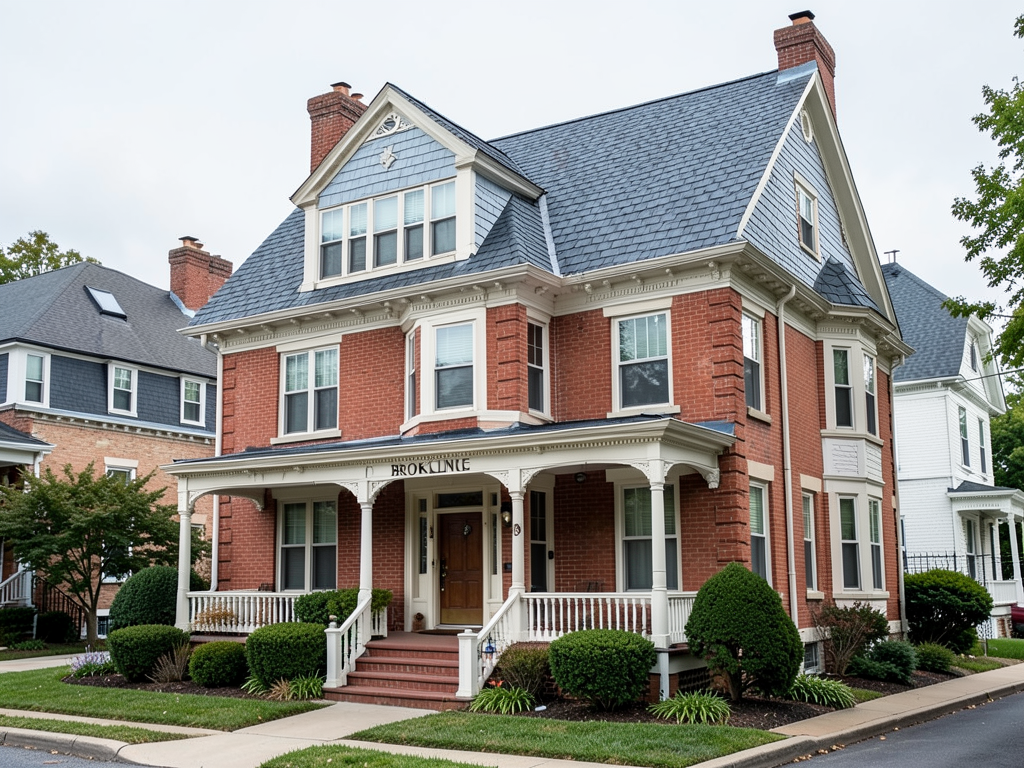
Diagram showing the Brookline Preservation Commission review timeline from application submission through public hearing to final approval
Approved Materials for Brookline Historic District Roofing
Brookline’s historic districts require materials that match original construction methods and appearance. The Commission evaluates proposals based on visual compatibility, durability, and historical accuracy.
Natural slate remains the gold standard for Victorian and Colonial Revival homes in areas like Pill Hill and Cottage Farm. Vermont slate in specific color ranges matches original installations from the early 1900s. The Commission requires documentation showing slate thickness, color consistency, and quarry source. Bringing Natural Light into Your South End Attic with Custom Skylights.
Copper flashing and gutters must use specific gauges and patination levels. Lead-coated copper develops the same weathered appearance as original installations within 3-5 years. The Commission rejects pre-patinated materials that don’t show natural aging patterns. The Best Way to Keep Gutters Clog-Free in Wooded West Roxbury Neighborhoods.
Wood shakes for Tudor Revival homes require specific cut patterns and species. Eastern white cedar with particular grain orientation matches historic installations. The Commission inspects sample boards before approving applications.
| Material Type | Brookline Approved Options | Common Rejection Reasons |
|---|---|---|
| Slate Roofing | Vermont natural slate (5-8mm) | Synthetic slate, incorrect color |
| Metal Roofing | Lead-coated copper (20 oz) | Pre-patinated finishes, wrong gauge |
| Wood Shakes | Eastern white cedar, specific cut | Incorrect species, modern patterns |
| Gutters | Half-round copper (0.032") | Modern K-style, aluminum |
Brookline’s Eight Local Historic Districts and Their Specific Requirements
Each historic district in Brookline has unique architectural characteristics that influence roofing approvals. Understanding these distinctions helps contractors prepare compliant proposals. Why Metal Roofing is Becoming a Top Choice for Coastal East Boston Homes.
Pill Hill features Victorian-era homes requiring slate with specific color ranges and copper detailing that matches original installations. The Commission emphasizes maintaining the visual rhythm of slate patterns across street views.
Cottage Farm’s Colonial Revival homes often need wood shingle repairs that match original 1920s installations. The Commission requires specific exposure patterns and nailing techniques that replicate historic construction. Should You Repair Your Brookline Roof or Just Replace the Whole Thing.
Graffam Development focuses on maintaining the integrity of early suburban architecture. Roofing proposals must show how new materials will age to match existing weathered surfaces within the district. Roofing Quincy.
Fisher Hill’s diverse architectural styles require case-by-case evaluation. The Commission prioritizes proposals that maintain neighborhood character while addressing modern performance needs.
Wild-Sargent District emphasizes preserving the eclectic mix of early 20th century designs. Proposals must demonstrate understanding of each home’s unique historical context.
The Commission evaluates proposals based on three criteria: visual compatibility with historic character, durability of proposed materials, and impact on neighborhood scale and rhythm.
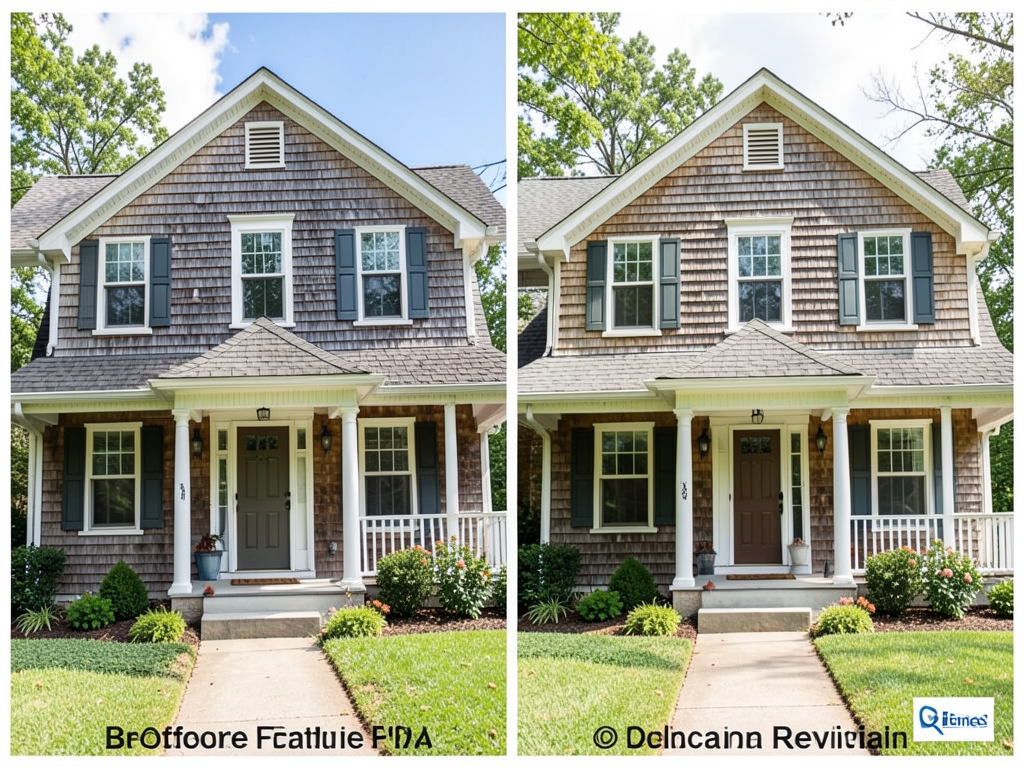
Before and after photos of a Pill Hill Victorian home showing slate replacement that maintains original color patterns and copper detailing
Common Brookline Roofing Challenges and Solutions
Ice dam formation creates unique challenges in Brookline’s historic homes. Original construction often lacks modern ice and water shield requirements mandated by current building codes.
Massachusetts Building Code 780 CMR 1510.2.1 requires ice barrier extending 24 inches inside the exterior wall line. Installing this without visible membrane edges requires specialized techniques that satisfy both code compliance and historic preservation requirements. Massachusetts State Building Code 780 CMR.
Ventilation presents another challenge. Historic homes often have limited attic access and complex roof geometries that make modern ventilation systems difficult to install without visible modifications.
Structural assessment becomes critical when replacing roofs on 100+ year old homes. Original rafters may not meet current load requirements for modern materials. Engineers must evaluate existing conditions before material selection.
Moisture management requires careful attention to flashing details. Original construction used different waterproofing methods that may not accommodate modern roofing systems. Retrofitting requires understanding historic building science.
The Certificate of Appropriateness Application Timeline
Successful applications follow a specific timeline that prevents delays and rework. Understanding this process helps homeowners plan their projects effectively.
Initial consultation with a preservation-experienced contractor should occur 3-4 months before desired start date. This allows time for preliminary design development and material research.
Application preparation takes 2-3 weeks and requires detailed drawings, material specifications, and sample boards. Missing elements cause automatic rejection and restart the review process.
Commission review occurs during monthly public hearings. Applications submitted after the monthly deadline face additional month-long delays.
Approval typically takes 30-45 days from complete submission. Projects cannot begin until written approval is received.
Construction permits from the Building Department require BPC approval documentation. This additional step adds 2-3 weeks to the timeline.
- Pre-Application Assessment
Contractor evaluates existing conditions and prepares preliminary scope. Identifies potential compliance issues.
- Material Research
Sources approved materials and creates sample boards for Commission review. Documents specifications.
- Application Preparation
Creates detailed drawings and specifications. Submits complete package to BPC.
- Commission Review
Attends public hearing. Addresses questions and concerns. Receives approval or rejection.
- Permit Acquisition
Submits approved plans to Building Department. Obtains construction permits.
- Project Execution
Completes work according to approved plans. Maintains documentation for final inspection.
Cost Factors for Historic District Roofing in Brookline
Historic district roofing typically costs 30-50% more than standard replacement due to specialized requirements and approval processes.
Material costs drive the initial price difference. Natural slate costs $15-25 per square foot installed versus $5-8 for asphalt shingles. Copper flashing adds $8-12 per linear foot compared to aluminum alternatives.
Labor costs increase due to specialized installation techniques. Slate requires specific nailing patterns and cutting methods that take experienced crews 2-3 times longer than standard materials.
Permit and approval costs add $2,000-4,000 to project budgets. Application fees, engineering assessments, and potential revision cycles contribute to these expenses.
Project duration extends from 2-3 weeks for standard replacement to 4-6 weeks for historic projects. This extended timeline affects overall project costs through labor allocation and site management.
Insurance considerations may affect long-term costs. Historic materials often qualify for specialized coverage that recognizes their durability and replacement value.
Why Experience Matters in Brookline Historic Roofing
Historic district roofing requires understanding both preservation guidelines and modern building science. Contractors must balance code compliance with historic accuracy.
Material sourcing expertise prevents delays. Lead times for specialty materials like Vermont slate can exceed 8-12 weeks. Experienced contractors maintain relationships with suppliers to ensure availability.
Installation techniques must match original construction methods while meeting current performance standards. This requires understanding historic building systems and modern code requirements.
Problem-solving skills become critical when unexpected conditions arise. Original construction often reveals issues not visible during initial assessment. Experienced crews develop solutions that maintain historic character while addressing modern needs.
Documentation requirements extend beyond standard roofing projects. Contractors must maintain detailed records of materials, installation methods, and compliance verification for future reference.
Communication with the Commission requires specific knowledge of approval criteria and common rejection reasons. Experienced contractors can anticipate questions and prepare comprehensive responses.
Protecting Your Investment in Historic Brookline
Historic homes represent significant financial investments that require specialized protection strategies. Understanding these approaches helps homeowners make informed decisions.
Regular maintenance prevents costly emergency repairs. Annual inspections identify potential issues before they cause damage. This proactive approach extends roof life and maintains historic character.
Documentation creates valuable records for future owners and Commission reviews. Maintaining records of repairs, material specifications, and approval documentation simplifies future projects.
Insurance coverage should reflect the unique value of historic materials. Standard policies may not cover specialty materials or require documentation of their value and condition.
Energy efficiency improvements require careful consideration in historic homes. Modern insulation and ventilation must be installed without visible modifications to historic features.
Emergency response planning becomes critical for historic properties. Understanding how to protect historic materials during storms or other emergencies prevents costly damage.
Close-up photo showing copper flashing details on a historic Brookline home, demonstrating proper installation techniques that satisfy both code and preservation requirements
Frequently Asked Questions
How long does the Brookline Preservation Commission approval process take?
The approval process typically takes 30-45 days from complete application submission to written approval. Applications submitted after the monthly deadline face additional delays of up to one month.
What materials are approved for historic district roofing in Brookline?
Approved materials include natural Vermont slate, lead-coated copper, and specific wood shakes matching original construction. Synthetic materials are generally rejected unless they can demonstrate exact visual matching of historic materials.
Can I upgrade to more durable materials during historic roof replacement?
Material upgrades must maintain visual compatibility with original construction. While modern materials may offer better performance, they must appear identical to historic materials from street view to gain approval.
What happens if my roofing proposal is rejected by the Commission?
Rejected proposals require revision and resubmission, restarting the approval timeline. Common rejection reasons include non-compliant materials, incorrect color schemes, or proposals that alter original architectural features.
Do I need separate permits from the Building Department?
Yes, construction permits from the Building Department require BPC approval documentation. This adds 2-3 weeks to the overall timeline and requires additional fees and inspections.
How much more expensive is historic district roofing compared to standard replacement?
Historic district roofing typically costs 30-50% more than standard replacement due to specialized materials, installation techniques, and approval processes. Material costs alone can be 3-4 times higher than standard options.
{
“@context”: “https://schema.org”,
“@type”: “BlogPosting”,
“headline”: “Navigating Brookline Preservation Commission Rules for Your Coolidge Corner Roof Project”,
“description”: “Expert guide to Brookline historic district roofing. Learn BPC approval process, approved materials, and avoid costly mistakes on your Coolidge Corner home.”,
“wordCount”: 1706,
“datePublished”: “2026-04-18T07:18:00.000Z”,
“dateModified”: “2026-04-18T07:18:00.000Z”,
“inLanguage”: “en-US”,
“mainEntityOfPage”: {
“@type”: “WebPage”,
“@id”: “https://silverlineroofingboston.com”
},
“publisher”: {
“@type”: “LocalBusiness”,
“name”: “Silverline Roofing Boston”,
“url”: “https://silverlineroofingboston.com”
},
“author”: {
“@type”: “Organization”,
“name”: “Silverline Roofing Boston”,
“url”: “https://silverlineroofingboston.com”
},
“image”: {
“@type”: “ImageObject”,
“url”: “https://silverlineroofingboston.com/wp-content/uploads/2026/03/navigating-brookline-preservation-commission-rules-1.png”
}
}
{
“@context”: “https://schema.org”,
“@type”: “RoofingContractor”,
“name”: “Silverline Roofing Boston”,
“url”: “https://silverlineroofingboston.com”,
“address”: {
“@type”: “PostalAddress”,
“addressLocality”: “Boston”
},
“areaServed”: {
“@type”: “City”,
“name”: “Boston”
}
}
{
“@context”: “https://schema.org”,
“@type”: “FAQPage”,
“mainEntity”: [
{
“@type”: “Question”,
“name”: “How long does the Brookline Preservation Commission approval process take?”,
“acceptedAnswer”: {
“@type”: “Answer”,
“text”: “The approval process typically takes 30-45 days from complete application submission to written approval. Applications submitted after the monthly deadline face additional delays of up to one month.”
}
},
{
“@type”: “Question”,
“name”: “What materials are approved for historic district roofing in Brookline?”,
“acceptedAnswer”: {
“@type”: “Answer”,
“text”: “Approved materials include natural Vermont slate, lead-coated copper, and specific wood shakes matching original construction. Synthetic materials are generally rejected unless they can demonstrate exact visual matching of historic materials.”
}
},
{
“@type”: “Question”,
“name”: “Can I upgrade to more durable materials during historic roof replacement?”,
“acceptedAnswer”: {
“@type”: “Answer”,
“text”: “Material upgrades must maintain visual compatibility with original construction. While modern materials may offer better performance, they must appear identical to historic materials from street view to gain approval.”
}
},
{
“@type”: “Question”,
“name”: “What happens if my roofing proposal is rejected by the Commission?”,
“acceptedAnswer”: {
“@type”: “Answer”,
“text”: “Rejected proposals require revision and resubmission, restarting the approval timeline. Common rejection reasons include non-compliant materials, incorrect color schemes, or proposals that alter original architectural features.”
}
},
{
“@type”: “Question”,
“name”: “How much more expensive is historic district roofing compared to standard replacement?”,
“acceptedAnswer”: {
“@type”: “Answer”,
“text”: “Historic district roofing typically costs 30-50% more than standard replacement due to specialized materials, installation techniques, and approval processes. Material costs alone can be 3-4 times higher than standard options.”
}
}
]
}
{
“@context”: “https://schema.org”,
“@type”: “HowTo”,
“name”: “Brookline Historic Roof Replacement Process”,
“step”: [
{
“@type”: “HowToStep”,
“position”: 1,
“name”: “Pre-Application Assessment”,
“text”: “Contractor evaluates existing conditions and prepares preliminary scope. Identifies potential compliance issues.”
},
{
“@type”: “HowToStep”,
“position”: 2,
“name”: “Material Research”,
“text”: “Sources approved materials and creates sample boards for Commission review. Documents specifications.”
},
{
“@type”: “HowToStep”,
“position”: 3,
“name”: “Application Preparation”,
“text”: “Creates detailed drawings and specifications. Submits complete package to BPC.”
},
{
“@type”: “HowToStep”,
“position”: 4,
“name”: “Commission Review”,
“text”: “Attends public hearing. Addresses questions and concerns. Receives approval or rejection.”
},
{
“@type”: “HowToStep”,
“position”: 5,
“name”: “Permit Acquisition”,
“text”: “Submits approved plans to Building Department. Obtains construction permits.”
},
{
“@type”: “HowToStep”,
“position”: 6,
“name”: “Project Execution”,
“text”: “Completes work according to approved plans. Maintains documentation for final inspection.”
}
],
“image”: “https://silverlineroofingboston.com/wp-content/uploads/2026/03/navigating-brookline-preservation-commission-rules-1.png”
}
{
“@context”: “https://schema.org”,
“@type”: “BreadcrumbList”,
“itemListElement”: [
{
“@type”: “ListItem”,
“position”: 1,
“name”: “Home”,
“item”: “https://silverlineroofingboston.com”
},
{
“@type”: “ListItem”,
“position”: 2,
“name”: “Blog”,
“item”: “https://silverlineroofingboston.com/blog”
},
{
“@type”: “ListItem”,
“position”: 3,
“name”: “Navigating Brookline Preservation Commission Rules for Your Coolidge Corner Roof Project”
}
]
}
{
“@context”: “https://schema.org”,
“@type”: “Service”,
“serviceType”: “Roofing”,
“provider”: {
“@type”: “LocalBusiness”,
“name”: “Silverline Roofing Boston”,
“url”: “https://silverlineroofingboston.com”
},
“areaServed”: {
“@type”: “City”,
“name”: “Boston”
},
“description”: “Expert guide to Brookline historic district roofing. Learn BPC approval process, approved materials, and avoid costly mistakes on your Coolidge Corner home.”
}