The Best Roofing Strategies for Multi-Family Property Owners in Savin Hill
Multi-family property owners in Savin Hill face unique roofing challenges. The neighborhood’s classic triple-deckers and flat-roofed apartment buildings require specialized materials and installation techniques that stand up to Boston’s harsh coastal climate. Whether you own a three-unit Victorian or manage a six-family complex, your roof needs to handle heavy snow loads, salt air exposure, and the freeze-thaw cycles that characterize Massachusetts winters. Massachusetts State Building Code 780 CMR.
Property owners in Savin Hill need roofing strategies that balance durability with tenant comfort. The dense urban layout means limited access for equipment, noise concerns for residents, and the need for quick emergency response when leaks occur. This guide covers the most effective roofing approaches for multi-family buildings in this historic Boston neighborhood. Why Metal Roofing is Becoming a Top Choice for Coastal East Boston Homes.
Understanding Savin Hill’s Multi-Family Roofing Challenges
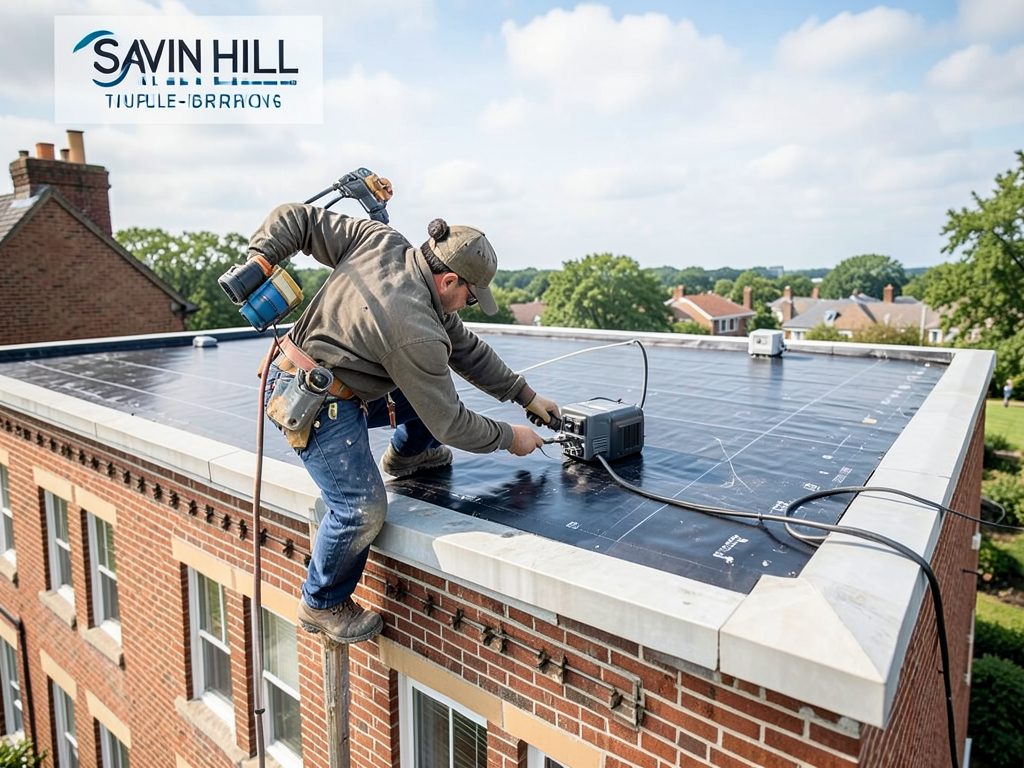
Savin Hill’s architectural character comes from its concentration of late 19th and early 20th century multi-family buildings. These structures typically feature flat or low-slope roofs with parapet walls, EPDM rubber membranes, or modified bitumen systems. The proximity to Dorchester Bay means buildings experience higher wind loads and salt spray corrosion than inland properties.
The freeze-thaw cycle in Savin Hill creates specific vulnerabilities. Water seeps into small cracks during warmer periods, then expands when temperatures drop below freezing. This process accelerates deterioration of roofing materials and flashing details. Additionally, the neighborhood’s mature tree canopy contributes to debris accumulation on flat roofs, creating drainage issues that compound during heavy rain or snowmelt. Roofing Quincy.
Many Savin Hill multi-family buildings were constructed before modern building codes addressed energy efficiency. This means older roofs often lack adequate insulation, leading to ice dam formation along roof edges during winter months. The resulting water backup can damage interior ceilings and walls, creating costly repairs for property owners. EPA Cool Roof information.
Best Roofing Materials for Savin Hill Multi-Family Buildings
Choosing the right roofing material for your Savin Hill property requires understanding the specific demands of multi-family construction. Flat roofs dominate the neighborhood, making single-ply membrane systems the most practical choice for many buildings. Tile Roofing Services.
EPDM rubber roofing remains the most common solution for Savin Hill’s older multi-family buildings. This synthetic rubber membrane offers excellent waterproofing properties and can last 20-30 years when properly installed. The black surface absorbs heat during winter months, reducing snow accumulation and ice dam formation. However, EPDM requires regular maintenance to address seam separations and edge deterioration caused by UV exposure and temperature fluctuations.
TPO (Thermoplastic Polyolefin) membranes represent the newer generation of flat roof technology. These white or light-colored roofs reflect solar radiation, reducing cooling costs during summer months. TPO systems typically offer better puncture resistance than EPDM and come with longer manufacturer warranties. The heat-welded seams create a monolithic surface that resists water infiltration better than traditional glued EPDM seams.
For buildings with sloped sections or architectural details, architectural asphalt shingles provide a cost-effective solution. Modern architectural shingles rated for high wind speeds (130+ mph) can withstand the coastal gusts common in Savin Hill. These dimensional shingles also offer better impact resistance than traditional three-tab products, protecting against damage from falling tree branches or wind-borne debris.
Modified bitumen roofing systems work well for buildings requiring enhanced durability. These multi-layer systems combine asphalt with polymer modifiers, creating a reinforced surface that resists foot traffic and mechanical damage. The torch-applied or cold-applied installation methods create strong adhesion to the roof deck, reducing the risk of wind uplift during storms.
Navigating Boston Building Codes for Multi-Family Roofing
Roofing projects in Savin Hill must comply with Boston’s strict building regulations. The Boston Inspectional Services Department requires permits for all roofing work exceeding 100 square feet or involving structural changes. Property owners should understand these requirements before starting any roofing project. Should You Repair Your Brookline Roof or Just Replace the Whole Thing.
Massachusetts Building Code Section 780 CMR mandates specific ice barrier requirements for roofs in the Boston area. Ice barriers must extend from the roof edge to a point at least 24 inches inside the exterior wall line. This requirement prevents ice dam formation from causing water infiltration under roofing materials. For multi-family buildings with multiple roof levels, ice barriers must be installed on all sloped sections.
Fire safety regulations affect material choices for multi-family buildings. The Boston Fire Department requires Class A fire-rated roofing materials for buildings with multiple residential units. This rating ensures the roofing system can withstand severe fire exposure without contributing to flame spread. Most modern single-ply membranes and architectural shingles meet this requirement, but property owners should verify compliance before installation.
Energy efficiency standards under the Massachusetts Stretch Energy Code apply to roofing projects that involve more than 50% of the roof area. These requirements may include minimum insulation R-values and the installation of reflective roofing materials in certain applications. Compliance can qualify property owners for energy efficiency incentives through Mass Save programs.
Historical district considerations may affect roofing choices for buildings near the Savin Hill Beach area. While most multi-family buildings in the neighborhood are not subject to historical preservation requirements, any exterior modifications visible from public ways may require review by the Boston Landmarks Commission.
Cost Considerations for Multi-Family Roofing Projects
Roofing costs for multi-family buildings in Savin Hill vary significantly based on building size, roof complexity, and material selection. Property owners should budget for both direct installation costs and indirect expenses associated with tenant management during construction.
Material costs represent the largest expense category. EPDM roofing typically costs $5-8 per square foot installed, while TPO systems range from $6-10 per square foot. Modified bitumen installations often cost $7-12 per square foot due to the additional labor required for multi-layer application. Premium materials like PVC membranes or green roof systems can exceed $15 per square foot.
Labor costs in the Boston area reflect the specialized skills required for multi-family roofing. Experienced crews familiar with Savin Hill’s building stock typically charge $75-125 per hour. Projects requiring night work or weekend installation to minimize tenant disruption may incur premium rates of 25-50% above standard pricing.
Permit fees for roofing projects in Boston range from $100-500 depending on project scope. The Inspectional Services Department charges additional fees for plan review and inspection services. Property owners should also budget for engineering assessments if structural modifications are required.
Tenant relocation costs can significantly impact project budgets. While most roofing work doesn’t require complete building evacuation, noise-sensitive tenants may need temporary accommodation during certain phases. Property owners should plan for potential rent credits or hotel accommodations, which can add $1,000-5,000 to project costs depending on building size and tenant needs.
Financing options for multi-family roofing projects include conventional bank loans, FHA multifamily loans, and energy efficiency financing through Mass Save. Some property owners explore roof replacement as part of larger building renovation projects, which can improve financing terms and allow for phased implementation.
Emergency Roofing Response for Multi-Family Properties
Emergency roof leaks in multi-family buildings require immediate attention to prevent tenant displacement and property damage. The dense urban environment of Savin Hill means water infiltration can affect multiple units quickly, creating liability concerns for property owners. 24/7 Emergency Roof Repair.
24/7 emergency response capabilities are essential for multi-family property management in Savin Hill. Rapid response teams should be equipped to perform temporary repairs within 2-4 hours of notification. This typically involves tarping damaged areas, redirecting water flow, and implementing interim waterproofing measures to protect occupied spaces.. Read more about Managing Roof Repairs for Semi-Detached Houses and Duplexes in Arlington.
Common emergency scenarios in Savin Hill include wind damage to flat roof membranes, ice dam-related leaks during winter months, and drainage system failures during heavy rainfall. Each scenario requires specific diagnostic approaches and repair techniques to restore building integrity quickly.
Water damage assessment protocols for multi-family buildings differ from single-family homes. Technicians must evaluate not only the roof damage but also the extent of interior water migration through ceiling assemblies and wall cavities. This comprehensive approach prevents secondary issues like mold growth and structural deterioration.
Insurance coordination represents a critical component of emergency response. Most multi-family property insurance policies require prompt notification of roof damage and may have specific requirements for temporary repairs. Experienced roofing contractors familiar with Savin Hill properties can assist with documentation and insurance claims processing.
Preventive maintenance programs can reduce emergency repair frequency by 60-80%. Regular inspections identify potential failure points before they cause leaks, allowing for planned repairs during favorable weather conditions. This approach minimizes tenant disruption and reduces overall maintenance costs.
Condo Association Roofing Management
Roofing decisions for condominium associations in Savin Hill require careful coordination among multiple stakeholders. The shared ownership structure means roofing projects must balance individual unit owner interests with collective building needs.
Reserve studies typically recommend setting aside 1-2% of property value annually for roof maintenance and eventual replacement. For a typical Savin Hill three-decker valued at $800,000, this translates to $8,000-16,000 per year in roofing reserves. These funds ensure adequate resources for major repairs without special assessments to unit owners.
Roofing specifications for condo associations should address both immediate repair needs and long-term building performance. This includes considerations for energy efficiency improvements, noise reduction between units, and compatibility with existing building systems like HVAC equipment and solar panels.
Contractor selection for condo association projects requires additional due diligence compared to single-owner properties. Associations should verify contractor licensing, insurance coverage, and experience with multi-family buildings similar to those found in Savin Hill. References from other Boston condo associations provide valuable insight into contractor reliability and communication practices.
Project phasing strategies help minimize disruption for condo associations. Phasing allows work to proceed on one building section while maintaining occupancy in unaffected areas. This approach extends project duration but reduces the need for temporary housing and maintains rental income for investment properties.
Communication protocols are essential for successful condo association roofing projects. Regular updates to unit owners, clear timelines for access requirements, and established procedures for addressing concerns help maintain positive relationships throughout the construction process.
Maintenance Strategies for Multi-Family Roofs
Proactive maintenance extends roof life by 5-10 years and prevents costly emergency repairs. Multi-family property owners in Savin Hill should implement comprehensive maintenance programs tailored to their specific building types and usage patterns.
Seasonal inspection schedules align with Boston’s climate patterns. Spring inspections identify winter damage from ice dams and snow loads. Summer evaluations assess UV damage and membrane deterioration. Fall assessments prepare roofs for winter weather by clearing debris and ensuring drainage systems function properly.
Drainage system maintenance prevents water accumulation that leads to roof deterioration. Flat roofs require clean scuppers, functional internal drains, and properly sloped surfaces to direct water to collection points. Clogged drains can cause ponding water, which accelerates membrane degradation and creates structural loading concerns.
Flashing and penetration maintenance addresses common failure points in multi-family roofing systems. Roof edges, parapet walls, and equipment penetrations require periodic resealing as building movement and temperature cycling cause sealant deterioration. Regular maintenance of these details prevents water infiltration that can damage interior spaces.
Tenant education programs reduce accidental roof damage. Many Savin Hill buildings have accessible roof decks or mechanical equipment areas. Clear guidelines for tenant use, weight limitations, and reporting procedures help prevent damage from unauthorized modifications or excessive loading.
Documentation systems track maintenance history and identify recurring issues. Digital inspection reports with photos provide baseline documentation for warranty claims and help predict future maintenance needs. This information proves valuable when planning capital improvements or selling properties.
Energy Efficiency Improvements for Multi-Family Roofs
Energy efficiency upgrades for multi-family roofs in Savin Hill offer both environmental benefits and cost savings. The dense urban environment makes energy performance particularly important for reducing utility expenses and improving tenant comfort.
Roof insulation improvements address the thermal bridging common in older multi-family buildings. Many Savin Hill properties were constructed with minimal roof insulation, leading to significant heat loss during winter months. Adding insulation to current R-30 standards can reduce heating costs by 15-25% while improving interior comfort.
Reflective roofing materials reduce cooling loads during summer months. Light-colored TPO membranes or cool roof coatings can lower roof surface temperatures by 50-80 degrees Fahrenheit compared to traditional dark roofing materials. This temperature reduction translates to 10-20% lower air conditioning costs for top-floor units.
Solar readiness considerations during roof replacement can facilitate future renewable energy installations. Many Savin Hill property owners express interest in solar panels but face structural limitations of older buildings. Designing roof systems with adequate load capacity and proper mounting points simplifies future solar installations.
Ventilation improvements address moisture management in multi-family buildings. Proper attic or roof cavity ventilation prevents condensation accumulation that can damage roofing materials and create indoor air quality issues. Balanced ventilation systems also help regulate building temperatures, reducing HVAC system workload.
Green roof systems offer unique benefits for multi-family properties in Savin Hill. While initial costs exceed conventional roofing, green roofs provide stormwater management, improve energy efficiency, and create amenity spaces for tenants. The added weight requires structural evaluation, but many older buildings can accommodate extensive green roof systems with minimal reinforcement.
Frequently Asked Questions
How long does a typical multi-family roof replacement take in Savin Hill?
Most multi-family roof replacements in Savin Hill require 2-5 days for complete installation, depending on building size and weather conditions. Projects involving extensive repairs or specialty materials may extend to 7-10 days. Contractors typically schedule work during weekdays to minimize neighborhood disruption.
What permits are required for roofing work in Savin Hill?
Boston Inspectional Services requires permits for all roofing projects exceeding 100 square feet or involving structural modifications. The permitting process typically takes 2-3 weeks and includes plan review, fee payment, and scheduled inspections. Historical district properties may require additional review by the Boston Landmarks Commission.
How can I minimize tenant disruption during roof replacement?
Effective tenant communication, phased work schedules, and noise mitigation strategies reduce disruption during roof replacement. Provide tenants with detailed timelines at least two weeks before work begins. Schedule noisy activities during daytime hours and offer temporary relocation assistance for noise-sensitive tenants if needed.
What warranty options are available for multi-family roofing in Boston?
Warranty options range from 10-year workmanship warranties to 25-30 year material warranties from manufacturers. Premium systems like TPO or PVC often include both material and labor warranties when installed by certified contractors. Extended warranties may require specific maintenance protocols and annual inspections to remain valid.
How do I know when my multi-family roof needs replacement versus repair?
Age, material condition, and extent of damage determine whether repair or replacement is appropriate. Roofs over 20 years old with multiple leak locations typically require replacement. Single leak areas in otherwise sound roofs may be repairable. Professional inspections using moisture scanning and core sampling provide definitive assessment.
Getting Started with Your Savin Hill Multi-Family Roofing Project
Successful roofing projects for multi-family properties in Savin Hill begin with thorough planning and professional assessment. Property owners should start by evaluating their specific building needs, budget constraints, and tenant requirements before selecting materials or contractors.
Initial roof assessments should include both visual inspection and diagnostic testing. Moisture scanning identifies hidden water damage, while core sampling reveals insulation condition and deck integrity. These diagnostic tools help property owners make informed decisions about repair scope and material selection.
Contractor selection requires verification of Massachusetts licensing, insurance coverage, and experience with multi-family buildings in the Boston area. Request references from similar properties and verify warranty fulfillment history. Professional associations like the National Roofing Contractors Association provide contractor verification services.
Project planning should address logistics specific to Savin Hill’s urban environment. Limited street parking requires coordination with neighbors and local authorities. Equipment staging areas must be identified, and noise restrictions may affect work schedules. Early planning prevents delays and reduces neighbor complaints.
Budget planning should include contingency funds for unexpected discoveries during roof removal. Hidden damage from previous leaks or structural deterioration can increase project costs by 15-30%. Including contingency funds prevents project delays when issues arise.
Ready to protect your Savin Hill multi-family investment with professional roofing solutions? Call (857) 387-1711 today to schedule your comprehensive roof assessment. Our experienced team understands the unique challenges of Boston’s multi-family buildings and provides tailored solutions that balance durability, tenant comfort, and budget considerations. Don’t wait until the next storm reveals your roof’s vulnerabilities – contact us now for expert guidance and reliable service.
{
“@context”: “https://schema.org”,
“@type”: “BlogPosting”,
“headline”: “The Best Roofing Strategies for Multi-Family Property Owners in Savin Hill”,
“description”: “Expert roofing solutions for Savin Hill multi-family properties. Learn about EPDM systems, Boston code compliance, and 24/7 emergency repair for triple-deckers and condos.”,
“wordCount”: 2722,
“datePublished”: “2026-04-19T07:13:00.000Z”,
“dateModified”: “2026-04-19T07:13:00.000Z”,
“inLanguage”: “en-US”,
“mainEntityOfPage”: {
“@type”: “WebPage”,
“@id”: “https://silverlineroofingboston.com”
},
“publisher”: {
“@type”: “LocalBusiness”,
“name”: “Silverline Roofing Boston”,
“url”: “https://silverlineroofingboston.com”
},
“author”: {
“@type”: “Organization”,
“name”: “Silverline Roofing Boston”,
“url”: “https://silverlineroofingboston.com”
},
“image”: {
“@type”: “ImageObject”,
“url”: “https://silverlineroofingboston.com/wp-content/uploads/2026/03/the-best-roofing-strategies-for-multi-family-prope-1.png”
}
}
{
“@context”: “https://schema.org”,
“@type”: “RoofingContractor”,
“name”: “Silverline Roofing Boston”,
“url”: “https://silverlineroofingboston.com”,
“address”: {
“@type”: “PostalAddress”,
“addressLocality”: “Boston”
},
“areaServed”: {
“@type”: “City”,
“name”: “Boston”
}
}
{
“@context”: “https://schema.org”,
“@type”: “FAQPage”,
“mainEntity”: [
{
“@type”: “Question”,
“name”: “How long does a typical multi-family roof replacement take in Savin Hill?”,
“acceptedAnswer”: {
“@type”: “Answer”,
“text”: “Most multi-family roof replacements in Savin Hill require 2-5 days for complete installation, depending on building size and weather conditions. Projects involving extensive repairs or specialty materials may extend to 7-10 days. Contractors typically schedule work during weekdays to minimize neighborhood disruption.”
}
},
{
“@type”: “Question”,
“name”: “What permits are required for roofing work in Savin Hill?”,
“acceptedAnswer”: {
“@type”: “Answer”,
“text”: “Boston Inspectional Services requires permits for all roofing projects exceeding 100 square feet or involving structural modifications. The permitting process typically takes 2-3 weeks and includes plan review, fee payment, and scheduled inspections. Historical district properties may require additional review by the Boston Landmarks Commission.”
}
},
{
“@type”: “Question”,
“name”: “How can I minimize tenant disruption during roof replacement?”,
“acceptedAnswer”: {
“@type”: “Answer”,
“text”: “Effective tenant communication, phased work schedules, and noise mitigation strategies reduce disruption during roof replacement. Provide tenants with detailed timelines at least two weeks before work begins. Schedule noisy activities during daytime hours and offer temporary relocation assistance for noise-sensitive tenants if needed.”
}
},
{
“@type”: “Question”,
“name”: “What warranty options are available for multi-family roofing in Boston?”,
“acceptedAnswer”: {
“@type”: “Answer”,
“text”: “Warranty options range from 10-year workmanship warranties to 25-30 year material warranties from manufacturers. Premium systems like TPO or PVC often include both material and labor warranties when installed by certified contractors. Extended warranties may require specific maintenance protocols and annual inspections to remain valid.”
}
},
{
“@type”: “Question”,
“name”: “How do I know when my multi-family roof needs replacement versus repair?”,
“acceptedAnswer”: {
“@type”: “Answer”,
“text”: “Age, material condition, and extent of damage determine whether repair or replacement is appropriate. Roofs over 20 years old with multiple leak locations typically require replacement. Single leak areas in otherwise sound roofs may be repairable. Professional inspections using moisture scanning and core sampling provide definitive assessment.”
}
}
]
}
{
“@context”: “https://schema.org”,
“@type”: “BreadcrumbList”,
“itemListElement”: [
{
“@type”: “ListItem”,
“position”: 1,
“name”: “Home”,
“item”: “https://silverlineroofingboston.com”
},
{
“@type”: “ListItem”,
“position”: 2,
“name”: “Blog”,
“item”: “https://silverlineroofingboston.com/blog”
},
{
“@type”: “ListItem”,
“position”: 3,
“name”: “The Best Roofing Strategies for Multi-Family Property Owners in Savin Hill”
}
]
}
{
“@context”: “https://schema.org”,
“@type”: “Service”,
“serviceType”: “Roofing”,
“provider”: {
“@type”: “LocalBusiness”,
“name”: “Silverline Roofing Boston”,
“url”: “https://silverlineroofingboston.com”
},
“areaServed”: {
“@type”: “City”,
“name”: “Boston”
},
“description”: “Expert roofing solutions for Savin Hill multi-family properties. Learn about EPDM systems, Boston code compliance, and 24/7 emergency repair for triple-deckers and condos.”
}