Why Those Black Streaks on Your Shingles Might Not Actually Mean You Need a New Roof
Those dark streaks running down your roof might look like serious damage but they’re actually caused by a living organism called Gloeocapsa magma. This blue-green algae thrives in Boston’s humid coastal climate and feeds on the limestone filler in your asphalt shingles. The good news is that this is a cosmetic issue that can be safely removed without replacing your entire roof. Asphalt Roofing Manufacturers Association.
Before you call for a full roof replacement understand what you’re really dealing with. Those black streaks form when airborne algae spores land on your roof and multiply in the warm moist conditions Boston provides from late spring through early fall. The algae create a protective dark coating that shields them from UV rays while they consume the calcium carbonate in your shingles.. Read more about Picking a Shingle Color That Boosts the Resale Value of Your Home in Natick.
How Boston’s Climate Creates Perfect Conditions for Roof Algae
Boston’s unique weather pattern creates ideal growing conditions for roof algae. The combination of high humidity from the Atlantic Ocean frequent summer thunderstorms and moderate temperatures allows algae to establish colonies quickly. Areas with less direct sunlight like north-facing slopes tend to develop these streaks first since moisture evaporates more slowly in shaded areas.
Neighborhoods near the coast like Revere and Lynn experience even more severe algae growth due to the constant salt air and higher humidity levels. The 02152 and 02151 zip codes in Revere show particularly high instances of this problem because of their proximity to marshlands and the ocean.
The freeze-thaw cycles that Boston experiences during winter can actually make the algae problem worse. When water containing algae freezes it expands creating tiny cracks in the shingle surface. These cracks trap more moisture and provide perfect breeding grounds for algae to multiply when temperatures rise again.
The Real Damage Algae Causes to Your Shingles
While those black streaks look terrible they don’t immediately destroy your roof. The algae feed on the limestone filler but this process happens very slowly over many years. What homeowners often mistake for structural damage is actually just the dark pigment the algae produce to protect themselves from sunlight.. Read more about How to Navigate the Approval Process for a New Roof with Your Seaport Condo Board.
The actual threat comes from the moisture the algae retain. Shingles covered in algae stay wet longer after rain which can accelerate the breakdown of the asphalt base. This prolonged moisture exposure can lead to granule loss where the protective ceramic coating on your shingles begins to break down and wash away.
During our inspections we use a simple moisture meter test to check if the algae are causing water retention issues. We take readings from affected areas and compare them to clean sections of the same roof. If the moisture levels are significantly higher under the algae growth that’s when replacement might become necessary.
Why Pressure Washing Will Destroy Your Roof
Many homeowners think blasting those black streaks away with a pressure washer is the solution but this approach will void your warranty and destroy your shingles. High-pressure water can strip away the protective granules that shield your shingles from UV damage. Once these granules are gone your shingles become brittle and prone to cracking.
The Asphalt Roofing Manufacturers Association specifically warns against pressure washing asphalt shingles. Their guidelines state that high-pressure cleaning can cause immediate granule loss and reduce your roof’s lifespan by years. This is why professional roof cleaning uses a completely different approach called soft washing. Why Metal Roofing is Becoming a Top Choice for Coastal East Boston Homes.
Soft washing uses specialized low-pressure equipment that delivers cleaning solutions at pressures similar to a garden hose. This method removes algae without damaging the shingle surface. The cleaning solutions used contain surfactants that break down the algae’s protective coating allowing it to be rinsed away safely.
The Professional Soft Washing Process Explained
Professional soft washing involves applying a specialized cleaning solution that kills algae at the root. The solution typically contains sodium hypochlorite mixed with surfactants that help it cling to vertical surfaces. This mixture sits on your roof for 15 to 20 minutes allowing it to penetrate and kill the algae completely.
After the dwell time technicians rinse the roof using low-pressure equipment that won’t damage shingles. The algae turn from black to brown as they die and are washed away. This process reveals the original color of your shingles which is often much lighter than homeowners expect.
The entire process takes about two to four hours for an average home depending on roof size and algae severity. Most importantly it extends your roof’s life by removing the organisms that are slowly breaking down your shingles from the inside out.
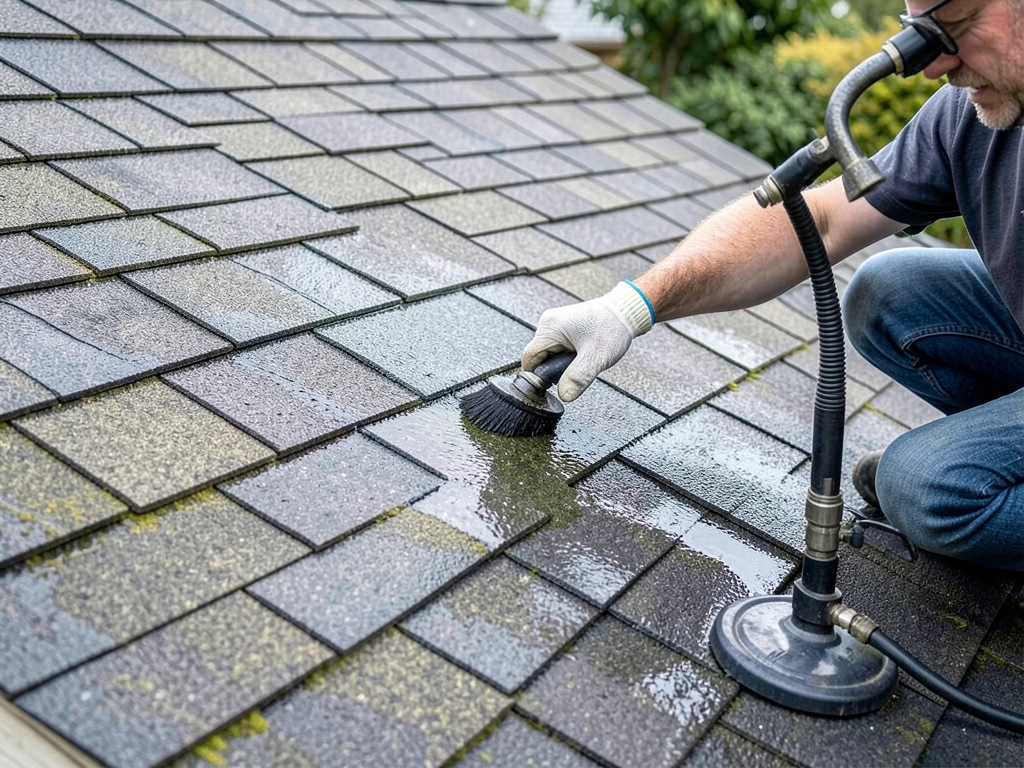
Image Description: Technician applying soft washing solution to asphalt shingles showing the even coverage pattern and specialized low-pressure equipment used for safe algae removal.
Safety and Environmental Considerations
Professional roof cleaning requires strict safety protocols since technicians work on sloped surfaces at heights. All our crews use fall protection equipment including harnesses and roof anchors. We also use specialized footwear that provides traction without damaging shingles.
The cleaning solutions we use are biodegradable and safe for your landscaping when properly applied. We pre-soak plants and grass around your home to prevent solution absorption. The runoff is neutralized before it leaves your property to protect local waterways and comply with EPA guidelines for chemical disposal.
Massachusetts regulations require specific permits for roof cleaning operations especially in coastal areas where runoff can affect marine ecosystems. We maintain all necessary permits and follow local guidelines for chemical use and disposal in cities like Revere and Lynn.
Cost Factors for Professional Roof Cleaning
Several factors affect the cost of professional roof cleaning. Roof pitch plays a major role since steeper roofs require more safety equipment and take longer to clean. A 6:12 pitch roof costs more to clean than a 4:12 pitch because of the increased difficulty and time required.
Roof size naturally affects pricing with most companies charging by the square foot. The severity of algae infestation also matters since heavy growth requires more cleaning solution and longer dwell times. Homes in areas with persistent moisture problems like near the Saugus River in Lynn may need more intensive treatment. Bringing Natural Light into Your South End Attic with Custom Skylights.
Accessibility is another cost factor. Homes with limited access for equipment or those requiring special permits for street parking will see higher prices. Multi-story homes also cost more due to the additional safety requirements and equipment needed.
Real Results from a Recent Quincy Project
We recently completed a soft washing project on a two-story colonial in Quincy’s 02169 zip code. The home had severe black streaking on the north-facing slope that had developed over five years. The homeowner thought they needed a $15,000 roof replacement but our inspection showed the shingles were structurally sound. Roofing Quincy.
After our soft washing treatment the roof looked completely different. The dark streaks were gone revealing the original gray shingle color. The homeowner saved thousands of dollars and extended their roof’s life by at least five years. The entire process took less than three hours and the results were immediate.
This is a common scenario we see throughout Quincy where the humid coastal climate creates perfect conditions for algae growth. Many homeowners in the Adams Shore and Houghs Neck neighborhoods face similar issues and can benefit from professional cleaning rather than replacement.
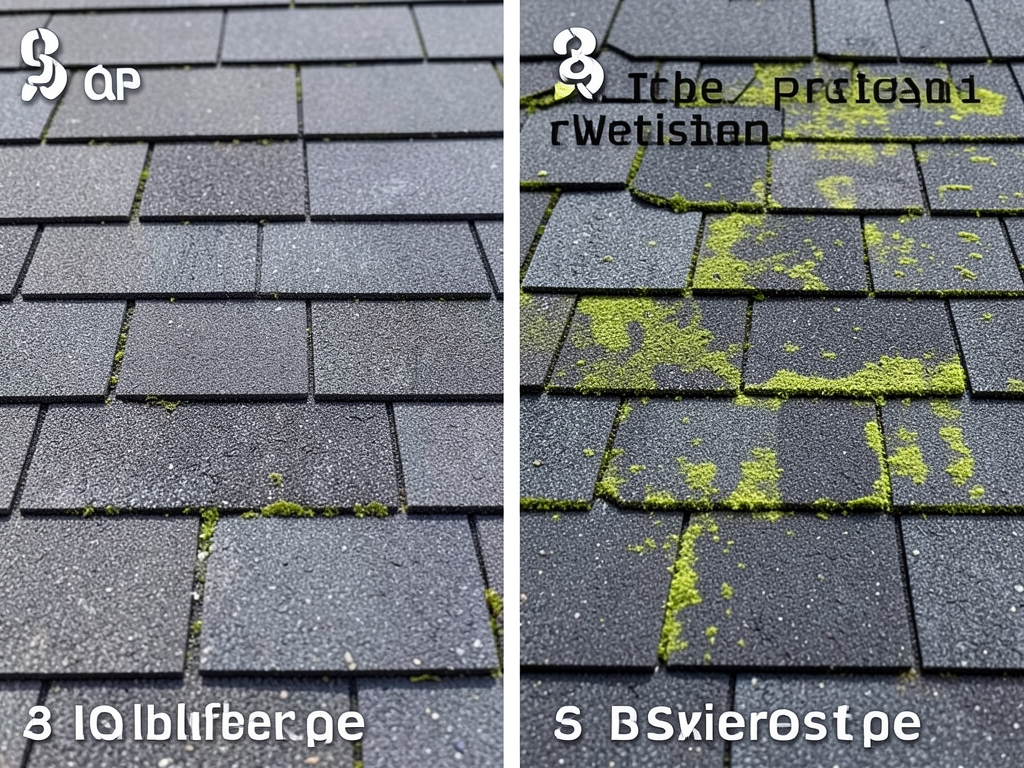
Image Description: Before and after comparison of asphalt shingles showing the dramatic difference after professional soft washing treatment with algae completely removed.
When Replacement Actually Becomes Necessary
While most black streaks can be cleaned there are situations where replacement becomes the better option. If your shingles show signs of cracking curling or missing granules in addition to algae growth replacement may be necessary. These physical damages indicate the shingles have reached the end of their useful life.
Age is another factor. If your roof is approaching or past its expected lifespan and has significant algae growth replacement often makes more financial sense. A 20-year-old roof with heavy streaking may not be worth cleaning since other components are likely failing as well.
During our free inspections we check for these warning signs using a detailed 20-point inspection process. We look for soft spots in the decking moisture damage around chimneys and the condition of flashing. If we find these issues combined with algae growth we’ll recommend replacement rather than cleaning.
Preventing Future Algae Growth
After cleaning you can take steps to prevent algae from returning. Installing zinc or copper strips near the roof peak creates a natural barrier. When it rains these metals release ions that are toxic to algae preventing new growth. This is especially effective in Boston’s rainy climate.
Improving attic ventilation helps by reducing moisture buildup under your roof. Proper airflow keeps your roof deck dry making it less hospitable to algae. We often recommend adding ridge vents or improving soffit ventilation as part of our service when we notice ventilation issues during inspection.
Trimming overhanging tree branches that shade your roof can also help. Algae thrive in cool moist shaded areas so increasing sunlight exposure can slow their growth. However be careful not to remove too much shade in summer since it helps keep your home cooler.
The Cost of Waiting Too Long
Delaying treatment for algae growth can lead to more expensive problems. While the algae themselves don’t immediately destroy your roof they create conditions that accelerate other types of damage. The moisture they retain can lead to wood rot in your roof deck and create ideal conditions for moss growth.
Moss is particularly problematic because it has root-like structures that can lift shingles and create gaps where water can penetrate. Once moss establishes itself removal becomes much more difficult and expensive. A small algae problem can turn into a major moss infestation within just a couple of years in Boston’s climate.
Insurance companies may also raise rates or deny claims for roofs with visible algae growth since it indicates poor maintenance. Some policies require regular roof cleaning as a condition of coverage especially in areas prone to algae problems like coastal Massachusetts.
Why Professional Cleaning Beats DIY Solutions
Many homeowners try to clean their roofs themselves using store-bought products or homemade bleach solutions. While these might provide temporary improvement they often cause more harm than good. Consumer-grade pressure washers can easily damage shingles and harsh chemicals can kill surrounding plants and contaminate groundwater.
Professional cleaners use specialized equipment and solutions that are both effective and safe. We know the correct dilution ratios for cleaning solutions and how to apply them without damaging your roof or landscaping. Our technicians are trained in proper safety procedures and carry insurance to protect you in case of accidents.
We also provide documentation of the work including before and after photos and details about the products used. This can be valuable for insurance purposes or if you decide to sell your home. DIY cleaning leaves no record and offers no warranty on the work performed.
Understanding Your Roof’s Warranty
Many homeowners don’t realize that improper cleaning can void their roof warranty. Most major manufacturers including GAF and CertainTeed specifically state in their warranty documents that pressure washing or using harsh chemicals will void coverage. This means if your roof fails due to a manufacturing defect after DIY cleaning you’re on the hook for the full replacement cost.
Professional cleaning companies that follow manufacturer guidelines maintain your warranty protection. We use only approved cleaning methods and document our work to prove you’ve maintained your roof properly. This documentation can be crucial if you need to make a warranty claim in the future.
Some newer shingles come with algae-resistant technology built in. These shingles contain copper or zinc granules that inhibit algae growth. If your roof has this feature using the wrong cleaning methods can actually damage this protective layer reducing its effectiveness.
The Bottom Line on Roof Algae
Those black streaks on your shingles don’t automatically mean you need a new roof. In most cases professional soft washing can remove the algae restore your roof’s appearance and extend its life by several years. This is especially true in Boston where the humid coastal climate creates perfect conditions for algae growth.
The key is getting a professional inspection to determine the actual condition of your shingles. We look beyond the cosmetic issues to check for structural damage moisture problems and signs of aging. This comprehensive assessment helps you make an informed decision about whether cleaning or replacement is the better investment.
Don’t let those black streaks scare you into an unnecessary roof replacement. Call us for a free inspection and we’ll show you exactly what those streaks are and what your options are for dealing with them. You might be surprised at how much life your roof still has left.
Image Description: Technician conducting moisture meter test on asphalt shingles to determine if algae growth has caused water retention issues that might require replacement.
Frequently Asked Questions
How long does professional roof cleaning take?
Most residential roof cleaning projects take between two to four hours depending on roof size and algae severity. We can usually complete the work in a single day and you can return to normal use of your home immediately after we finish.
Will the algae come back after cleaning?
Without preventive measures algae can return in about three to five years. We offer zinc strip installation and can recommend ventilation improvements that significantly slow regrowth. Many of our clients schedule cleaning every five years as preventative maintenance.
Is soft washing safe for my plants and landscaping?
Yes when performed by professionals. We pre-soak all plants and grass before applying cleaning solutions and use plant-safe products. We also rinse thoroughly after cleaning to ensure no harmful residue remains. Our process is designed to protect your entire property.
How much does professional roof cleaning cost?
Pricing varies based on roof size pitch and algae severity but typically ranges from $0.25 to $0.40 per square foot. Most single-story homes cost between $400 and $800 for complete cleaning. We provide free written estimates with no obligation.
Can I stay in my home during the cleaning process?
Absolutely. The cleaning process is quiet and non-invasive. You don’t need to be home while we work and there’s no disruption to your daily routine. We simply need access to your driveway for our equipment and an outdoor water source.
Call (857) 387-1711 today to schedule your free roof inspection. We’ll show you exactly what those black streaks are and give you a clear plan for dealing with them. Don’t wait until minor algae growth turns into major roof damage.
Pick up the phone and call (857) 387-1711 before the next storm hits. Those black streaks aren’t going away on their own and waiting will only make the problem worse. Our professional team is ready to help you protect your home and save money on unnecessary replacement costs. For more information, visit Environmental Protection Agency.
{
“@context”: “https://schema.org”,
“@type”: “BlogPosting”,
“headline”: “Why Those Black Streaks on Your Shingles Might Not Actually Mean You Need a New Roof”,
“description”: “Don’t replace your roof yet. Those black streaks are likely algae. Learn how Boston’s climate causes this and why professional soft washing can save your shingles.”,
“wordCount”: 2503,
“datePublished”: “2026-05-03T11:13:00.000Z”,
“dateModified”: “2026-05-03T11:13:00.000Z”,
“inLanguage”: “en-US”,
“mainEntityOfPage”: {
“@type”: “WebPage”,
“@id”: “https://silverlineroofingboston.com”
},
“publisher”: {
“@type”: “LocalBusiness”,
“name”: “Silverline Roofing Boston”,
“url”: “https://silverlineroofingboston.com”
},
“author”: {
“@type”: “Organization”,
“name”: “Silverline Roofing Boston”,
“url”: “https://silverlineroofingboston.com”
},
“image”: {
“@type”: “ImageObject”,
“url”: “https://silverlineroofingboston.com/wp-content/uploads/2026/03/why-those-black-streaks-on-your-shingles-might-not-1.png”
}
}
{
“@context”: “https://schema.org”,
“@type”: “RoofingContractor”,
“name”: “Silverline Roofing Boston”,
“url”: “https://silverlineroofingboston.com”,
“address”: {
“@type”: “PostalAddress”,
“addressLocality”: “Boston”
},
“areaServed”: {
“@type”: “City”,
“name”: “Boston”
}
}
{
“@context”: “https://schema.org”,
“@type”: “FAQPage”,
“mainEntity”: [
{
“@type”: “Question”,
“name”: “How long does professional roof cleaning take?”,
“acceptedAnswer”: {
“@type”: “Answer”,
“text”: “Most residential roof cleaning projects take between two to four hours depending on roof size and algae severity. We can usually complete the work in a single day and you can return to normal use of your home immediately after we finish.”
}
},
{
“@type”: “Question”,
“name”: “Will the algae come back after cleaning?”,
“acceptedAnswer”: {
“@type”: “Answer”,
“text”: “Without preventive measures algae can return in about three to five years. We offer zinc strip installation and can recommend ventilation improvements that significantly slow regrowth. Many of our clients schedule cleaning every five years as preventative maintenance.”
}
},
{
“@type”: “Question”,
“name”: “Is soft washing safe for my plants and landscaping?”,
“acceptedAnswer”: {
“@type”: “Answer”,
“text”: “Yes when performed by professionals. We pre-soak all plants and grass before applying cleaning solutions and use plant-safe products. We also rinse thoroughly after cleaning to ensure no harmful residue remains. Our process is designed to protect your entire property.”
}
},
{
“@type”: “Question”,
“name”: “How much does professional roof cleaning cost?”,
“acceptedAnswer”: {
“@type”: “Answer”,
“text”: “Pricing varies based on roof size pitch and algae severity but typically ranges from $0.25 to $0.40 per square foot. Most single-story homes cost between $400 and $800 for complete cleaning. We provide free written estimates with no obligation.”
}
},
{
“@type”: “Question”,
“name”: “Can I stay in my home during the cleaning process?”,
“acceptedAnswer”: {
“@type”: “Answer”,
“text”: “Absolutely. The cleaning process is quiet and non-invasive. You don’t need to be home while we work and there’s no disruption to your daily routine. We simply need access to your driveway for our equipment and an outdoor water source.”
}
}
]
}
{
“@context”: “https://schema.org”,
“@type”: “BreadcrumbList”,
“itemListElement”: [
{
“@type”: “ListItem”,
“position”: 1,
“name”: “Home”,
“item”: “https://silverlineroofingboston.com”
},
{
“@type”: “ListItem”,
“position”: 2,
“name”: “Blog”,
“item”: “https://silverlineroofingboston.com/blog”
},
{
“@type”: “ListItem”,
“position”: 3,
“name”: “Why Those Black Streaks on Your Shingles Might Not Actually Mean You Need a New Roof”
}
]
}
{
“@context”: “https://schema.org”,
“@type”: “Service”,
“serviceType”: “Roofing”,
“provider”: {
“@type”: “LocalBusiness”,
“name”: “Silverline Roofing Boston”,
“url”: “https://silverlineroofingboston.com”
},
“areaServed”: {
“@type”: “City”,
“name”: “Boston”
},
“description”: “Don’t replace your roof yet. Those black streaks are likely algae. Learn how Boston’s climate causes this and why professional soft washing can save your shingles.”
}