
Ways to Block Out Logan Airport Engine Noise with Sound Dampening Roofing Materials
Living near Logan Airport means dealing with constant jet engine noise that can reach up to 85 decibels during takeoff. That level of sound can disrupt sleep, concentration, and overall quality of life for East Boston and Winthrop residents. The good news is that specific roofing materials and installation techniques can significantly reduce this noise before it enters your home. Why Metal Roofing is Becoming a Top Choice for Coastal East Boston Homes.
Sound dampening roofing works by adding mass and damping layers that absorb or block sound waves. The most effective systems combine heavy roofing materials with specialized underlayment and insulation. Materials like clay tiles, concrete tiles, and certain metal roofing systems with acoustic backing can reduce noise transmission by 10-15 decibels when properly installed. The Best Roofing Strategies for Multi-Family Property Owners in Savin Hill.
The key to success lies in understanding how sound travels through your roof structure and addressing each point of potential sound leakage. This includes not just the visible roofing material but also the underlayment, insulation, and even ventilation systems that can act as sound pathways. Roofing Quincy.
How Sound Travels Through Your Roof
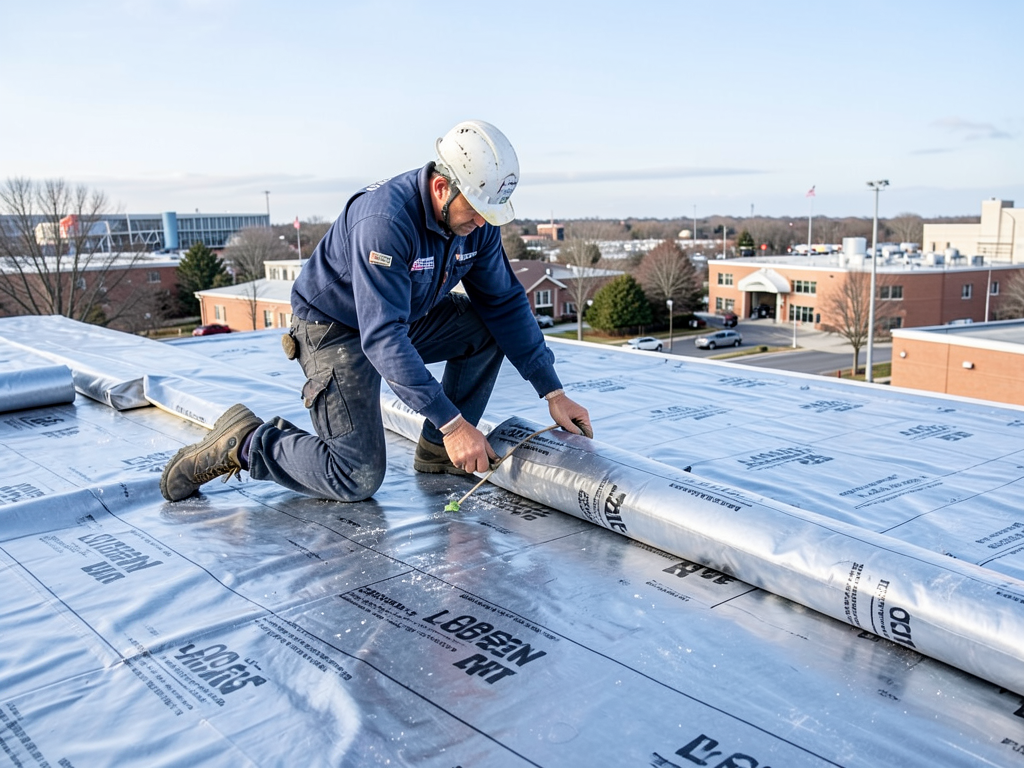
Sound waves from aircraft engines travel through the air and hit your roof at various frequencies. Low-frequency rumble from jet engines passes through lighter materials more easily than high-pitched sounds. The effectiveness of soundproofing depends on the mass, damping, and decoupling of materials in your roofing assembly. Tile Roofing Services.
Mass Law states that doubling the weight of a barrier increases its sound-blocking ability by about 6 decibels. This is why heavier roofing materials like concrete and clay tiles outperform standard asphalt shingles. However, mass alone isn’t enough – you need materials that also absorb vibrations and prevent sound from resonating through the structure.
The Massachusetts State Building Code (780 CMR) requires minimum R-values for roof insulation but doesn’t specifically address acoustic performance. This means homeowners must go beyond code requirements to achieve significant noise reduction. The Outdoor-Indoor Transmission Class (OITC) rating becomes more relevant than standard STC ratings for roofing applications since it measures low-frequency sounds like aircraft noise. Massachusetts Port Authority noise programs.
Best Sound Dampening Roofing Materials for Boston Homes
Different roofing materials offer varying levels of sound reduction. The right choice depends on your home’s structure, budget, and aesthetic preferences. Here’s how common roofing materials compare for noise reduction:
| Material | Noise Reduction (dB) | Cost per Square | Best For |
|---|---|---|---|
| Concrete Tiles | 15-20 | $350-450 | Maximum noise reduction |
| Clay Tiles | 12-18 | $400-500 | Mediterranean style homes |
| Metal with Acoustic Backing | 10-15 | $250-350 | Modern designs, durability |
| Heavy Asphalt Shingles | 8-12 | $150-250 | Budget-friendly option |
Concrete tiles provide the best sound blocking due to their density and mass. A standard concrete tile weighs about 9-12 pounds per square foot compared to 2-3 pounds for asphalt shingles. This extra weight translates directly to better noise reduction. The tiles also have irregular surfaces that help break up sound waves before they penetrate the roof structure.
Metal roofing with specialized acoustic backing represents a good middle-ground option. Modern standing seam metal roofs can be installed with sound-dampening underlayment that reduces noise transmission while providing excellent durability against New England weather. The metal surface also reflects heat, which can lower cooling costs during Boston’s humid summers.. Read more about Ways Modern Roof Insulation Can Lower Your Monthly Cooling Bills in the Densely Packed North End.
Advanced Soundproofing Layers for Maximum Noise Reduction
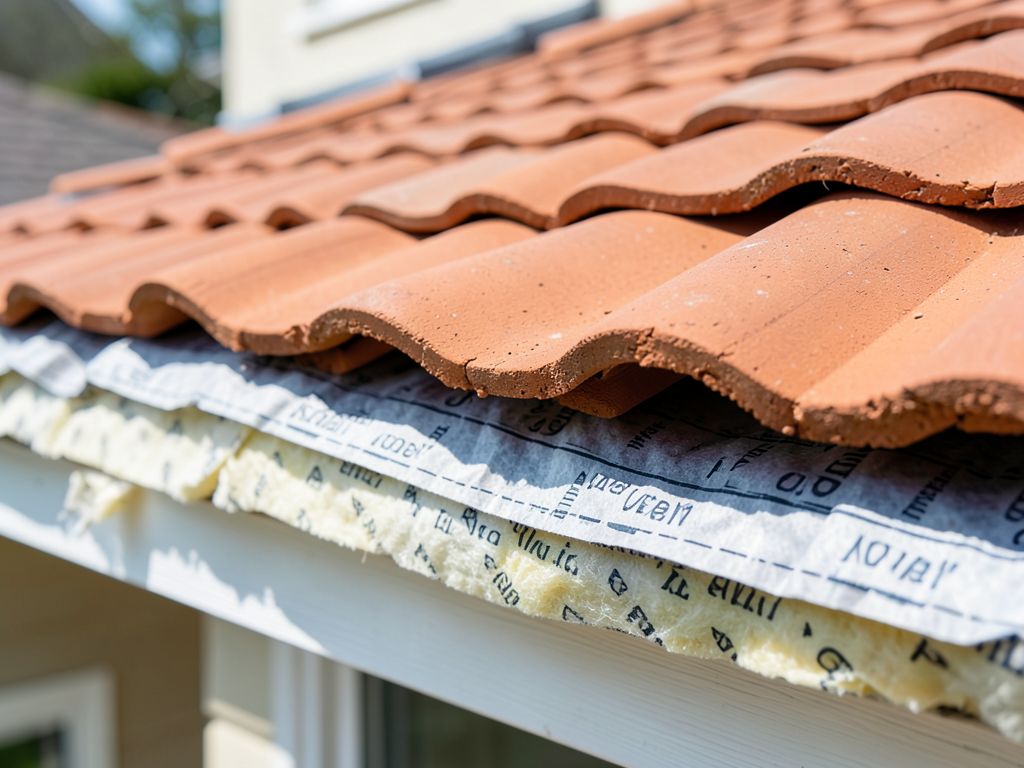
The roofing material itself only handles part of the sound reduction equation. A complete soundproofing system includes multiple layers that work together to block noise. The most effective approach combines mass-loaded vinyl (MLV) underlayment with dense insulation and proper sealing techniques.
Mass-loaded vinyl is a heavy, flexible material that adds significant mass to your roof assembly without adding much thickness. At 1 pound per square foot, MLV can reduce sound transmission by an additional 15-20 decibels when installed under your primary roofing material. The material is also waterproof, providing an extra layer of protection against Boston’s heavy rainfall and snow.
Professional installation of soundproofing layers requires attention to detail at every connection point. Sound can leak through the smallest gaps, so technicians must seal around vents, chimneys, and roof edges with acoustic caulk. The Massachusetts building code requires ice and water shield in valleys and along eaves, but for noise reduction, extending this barrier across the entire roof deck provides better results. Massachusetts State Building Code 780 CMR.
Logan Airport Noise Mitigation Programs and Requirements
The Massachusetts Port Authority (Massport) operates noise mitigation programs for homes in the Logan Airport flight path. The Noise Abatement Office provides grants and assistance for qualifying homeowners who want to install soundproofing measures. These programs can cover up to 70% of the cost for approved noise reduction projects.
East Boston and Winthrop fall within the highest noise exposure zones, where average daily sound levels exceed 65 decibels. Homes in these areas may qualify for federal assistance through the FAA’s Airport Improvement Program. The program requires documentation of noise levels and proof that proposed improvements will meet specific performance standards.
Local building permits for noise reduction projects must comply with both the Massachusetts State Building Code and any applicable historical district requirements. Homes in areas like the Boston Landmark District may need additional approvals before making exterior modifications. Silverline Roofing handles all permitting and ensures compliance with local regulations.. Read more about How to Navigate the Approval Process for a New Roof with Your Seaport Condo Board.
Installation Process for Sound Dampening Roofing
Proper installation makes the difference between good and excellent noise reduction. The process starts with a thorough assessment of your existing roof structure and identification of potential sound leak points. Technicians use thermal imaging and moisture meters to detect areas where sound might penetrate.
The installation follows a specific sequence to maximize sound blocking. First, the existing roofing material is removed down to the roof deck. Any damaged decking is replaced, and the entire surface is inspected for gaps or weaknesses. Next, the MLV underlayment is installed with overlapping seams sealed with acoustic tape.
After the underlayment, a layer of sound-dampening insulation is added. This typically consists of mineral wool or specialized acoustic batts that absorb vibrations. The primary roofing material is then installed according to manufacturer specifications, with special attention to sealing around all penetrations. Finally, acoustic sealant is applied to all joints and edges.
- Initial Assessment
Inspect existing roof, identify sound leak points, and measure noise levels using decibel meters.
- Deck Preparation
Remove old roofing, repair damaged decking, and ensure clean surface for underlayment.
- MLV Installation
Install mass-loaded vinyl with sealed seams, extending beyond the roof edge by 6 inches.
- Acoustic Insulation
Add sound-absorbing insulation between rafters or over the entire deck surface.
- Primary Roofing
Install chosen roofing material with attention to sealing all penetrations and edges.
- Final Sealing
Apply acoustic caulk to all joints, penetrations, and transition points.
Cost Considerations for Boston Homeowners
Sound dampening roofing represents a significant investment, but the benefits often justify the cost for homes in high-noise areas. A complete system including MLV underlayment, acoustic insulation, and premium roofing materials typically costs 40-60% more than standard roofing installation.
For a typical 2,000 square foot home in East Boston, expect to invest between $15,000 and $25,000 for a comprehensive soundproofing system. This includes removal of existing roofing, installation of all sound-dampening layers, and the new roofing material itself. While this seems substantial, the improvement in quality of life and potential energy savings can offset the initial cost over time.
Energy efficiency improvements often accompany noise reduction projects. The additional insulation and sealed roof assembly can reduce heating and cooling costs by 15-25%. In Boston’s climate, this translates to annual savings of $300-500 on utility bills, which helps offset the investment over the system’s lifespan.
Maintaining Your Soundproofed Roof
Once installed, your soundproofed roof requires regular maintenance to preserve its noise-blocking capabilities. The additional layers create more potential points for water infiltration if not properly maintained. Annual inspections should check for loose tiles, damaged underlayment, and compromised seals around penetrations.
Ice dams pose a particular risk to soundproofed roofs in Boston’s climate. The added insulation can create temperature differentials that promote ice formation at the roof edge. Proper ventilation and ice and water shield installation prevent this issue, but homeowners should still monitor their roofs during winter months.
Cleaning gutters and downspouts becomes even more critical with soundproofed roofing. The additional weight of sound-dampening materials means your roof structure must support more load. Keeping drainage systems clear prevents water backup that could damage the roofing assembly and compromise its acoustic performance. The Best Way to Keep Gutters Clog-Free in Wooded West Roxbury Neighborhoods.
Frequently Asked Questions
How much noise reduction can I expect from soundproof roofing?
A complete sound dampening system can reduce aircraft noise by 15-25 decibels, which translates to a perceived noise reduction of about 70-80%. This makes jet engine noise much less intrusive and can significantly improve sleep quality and concentration.
Will soundproof roofing affect my home’s temperature?
Yes, the additional insulation and sealed assembly typically improve energy efficiency by 15-25%. This means lower heating costs in winter and reduced cooling costs in summer, providing ongoing utility savings beyond the noise reduction benefits.
How long does installation take?
Complete installation of a soundproofed roofing system typically requires 3-5 days for an average home. This includes removal of existing roofing, installation of underlayment and insulation, and the new roofing material. Weather conditions in Boston can occasionally extend this timeline.
Can I add soundproofing to my existing roof?
Yes, retrofitting is possible but less effective than complete replacement. Adding MLV underlayment over existing shingles provides some benefit, but the noise reduction is typically only 5-10 decibels compared to 15-25 with full replacement. The cost-benefit analysis often favors complete replacement for maximum results.
Does this affect my home’s resale value?
Homes in high-noise areas with soundproofed roofing often command premium prices because they offer a significant quality-of-life improvement. The energy efficiency improvements also appeal to buyers concerned about utility costs, making it a valuable investment for long-term homeowners.
Living near Logan Airport doesn’t mean you have to endure constant aircraft noise. Sound dampening roofing materials and proper installation techniques can transform your home into a quiet sanctuary despite the busy flight paths overhead. The investment pays dividends in improved sleep, better concentration, and lower energy bills.
Ready to take the first step toward a quieter home? Call (857) 387-1711 today to schedule your free noise assessment and get a detailed quote for soundproof roofing installation. Our Boston-based team understands the unique challenges of Logan Airport noise and can recommend the perfect solution for your home and budget.
Don’t wait for another sleepless night or disrupted workday. Pick up the phone and call (857) 387-1711 before the next flight path shift makes your noise problem even worse. We’re here to help Boston residents reclaim their peace and quiet with proven soundproofing solutions.
{
“@context”: “https://schema.org”,
“@type”: “BlogPosting”,
“headline”: “Ways to Block Out Logan Airport Engine Noise with Sound Dampening Roofing Materials”,
“description”: “Tired of Logan Airport noise disrupting your home? Learn how sound dampening roofing materials can block engine noise in Boston neighborhoods near the flight path.”,
“wordCount”: 1802,
“datePublished”: “2026-04-26T13:10:00.000Z”,
“dateModified”: “2026-04-26T13:10:00.000Z”,
“inLanguage”: “en-US”,
“mainEntityOfPage”: {
“@type”: “WebPage”,
“@id”: “https://silverlineroofingboston.com”
},
“publisher”: {
“@type”: “LocalBusiness”,
“name”: “Silverline Roofing Boston”,
“url”: “https://silverlineroofingboston.com”
},
“author”: {
“@type”: “Organization”,
“name”: “Silverline Roofing Boston”,
“url”: “https://silverlineroofingboston.com”
},
“image”: {
“@type”: “ImageObject”,
“url”: “https://silverlineroofingboston.com/wp-content/uploads/2026/03/ways-to-block-out-logan-airport-engine-noise-with-1.png”
}
}
{
“@context”: “https://schema.org”,
“@type”: “RoofingContractor”,
“name”: “Silverline Roofing Boston”,
“url”: “https://silverlineroofingboston.com”,
“address”: {
“@type”: “PostalAddress”,
“addressLocality”: “Boston”
},
“areaServed”: {
“@type”: “City”,
“name”: “Boston”
}
}
{
“@context”: “https://schema.org”,
“@type”: “FAQPage”,
“mainEntity”: [
{
“@type”: “Question”,
“name”: “How much noise reduction can I expect from soundproof roofing?”,
“acceptedAnswer”: {
“@type”: “Answer”,
“text”: “A complete sound dampening system can reduce aircraft noise by 15-25 decibels, which translates to a perceived noise reduction of about 70-80%. This makes jet engine noise much less intrusive and can significantly improve sleep quality and concentration.”
}
},
{
“@type”: “Question”,
“name”: “Will soundproof roofing affect my home’s temperature?”,
“acceptedAnswer”: {
“@type”: “Answer”,
“text”: “Yes, the additional insulation and sealed assembly typically improve energy efficiency by 15-25%. This means lower heating costs in winter and reduced cooling costs in summer, providing ongoing utility savings beyond the noise reduction benefits.”
}
},
{
“@type”: “Question”,
“name”: “How long does installation take?”,
“acceptedAnswer”: {
“@type”: “Answer”,
“text”: “Complete installation of a soundproofed roofing system typically requires 3-5 days for an average home. This includes removal of existing roofing, installation of underlayment and insulation, and the new roofing material. Weather conditions in Boston can occasionally extend this timeline.”
}
},
{
“@type”: “Question”,
“name”: “Does this affect my home’s resale value?”,
“acceptedAnswer”: {
“@type”: “Answer”,
“text”: “Homes in high-noise areas with soundproofed roofing often command premium prices because they offer a significant quality-of-life improvement. The energy efficiency improvements also appeal to buyers concerned about utility costs, making it a valuable investment for long-term homeowners.”
}
}
]
}
{
“@context”: “https://schema.org”,
“@type”: “HowTo”,
“name”: “Soundproofing Roof Installation Process”,
“step”: [
{
“@type”: “HowToStep”,
“position”: 1,
“name”: “Initial Assessment”,
“text”: “Inspect existing roof, identify sound leak points, and measure noise levels using decibel meters.”
},
{
“@type”: “HowToStep”,
“position”: 2,
“name”: “Deck Preparation”,
“text”: “Remove old roofing, repair damaged decking, and ensure clean surface for underlayment.”
},
{
“@type”: “HowToStep”,
“position”: 3,
“name”: “MLV Installation”,
“text”: “Install mass-loaded vinyl with sealed seams, extending beyond the roof edge by 6 inches.”
},
{
“@type”: “HowToStep”,
“position”: 4,
“name”: “Acoustic Insulation”,
“text”: “Add sound-absorbing insulation between rafters or over the entire deck surface.”
},
{
“@type”: “HowToStep”,
“position”: 5,
“name”: “Primary Roofing”,
“text”: “Install chosen roofing material with attention to sealing all penetrations and edges.”
},
{
“@type”: “HowToStep”,
“position”: 6,
“name”: “Final Sealing”,
“text”: “Apply acoustic caulk to all joints, penetrations, and transition points.”
}
],
“image”: “https://silverlineroofingboston.com/wp-content/uploads/2026/03/ways-to-block-out-logan-airport-engine-noise-with-1.png”
}
{
“@context”: “https://schema.org”,
“@type”: “BreadcrumbList”,
“itemListElement”: [
{
“@type”: “ListItem”,
“position”: 1,
“name”: “Home”,
“item”: “https://silverlineroofingboston.com”
},
{
“@type”: “ListItem”,
“position”: 2,
“name”: “Blog”,
“item”: “https://silverlineroofingboston.com/blog”
},
{
“@type”: “ListItem”,
“position”: 3,
“name”: “Ways to Block Out Logan Airport Engine Noise with Sound Dampening Roofing Materials”
}
]
}
{
“@context”: “https://schema.org”,
“@type”: “Service”,
“serviceType”: “Roofing”,
“provider”: {
“@type”: “LocalBusiness”,
“name”: “Silverline Roofing Boston”,
“url”: “https://silverlineroofingboston.com”
},
“areaServed”: {
“@type”: “City”,
“name”: “Boston”
},
“description”: “Tired of Logan Airport noise disrupting your home? Learn how sound dampening roofing materials can block engine noise in Boston neighborhoods near the flight path.”
}