
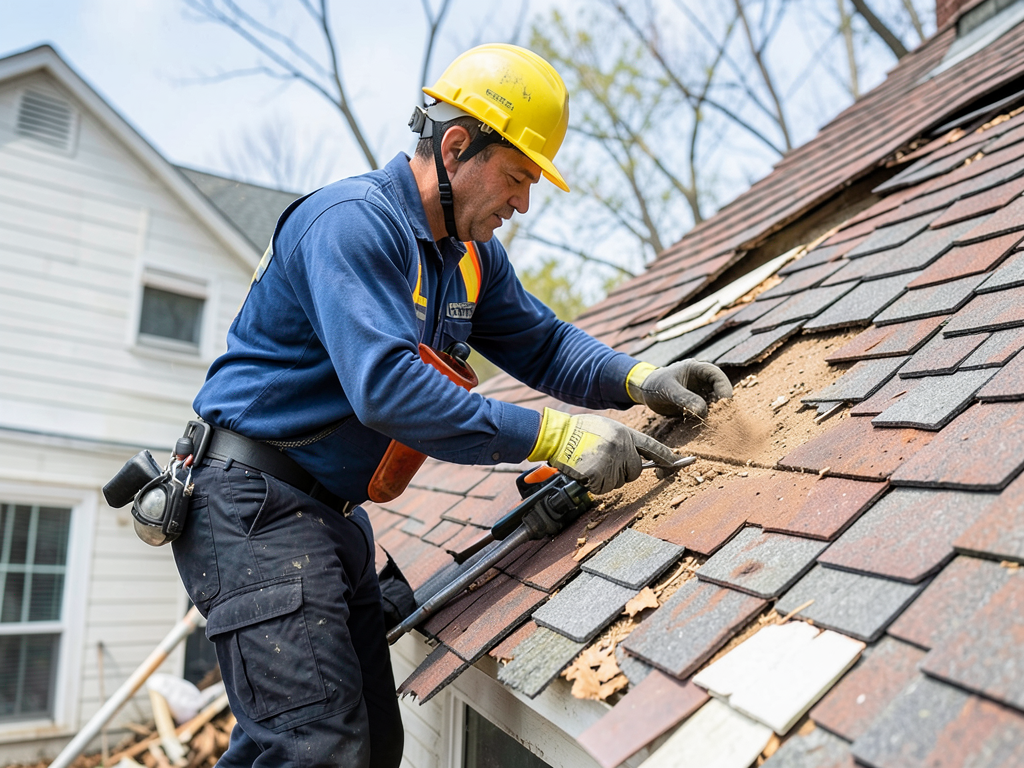
Why It Might Be Time to Consider a Full Tear Off Instead of a Simple Roof Layover
When your roof shows signs of age, the temptation to save money with a simple layover is strong. But in Boston’s unique climate, that shortcut can cost you more in the long run. Before you decide between a tear off and an overlay, you need to understand what’s really happening under your shingles and how Massachusetts building codes affect your choice. Massachusetts State Building Code 780 CMR.
What is a Roof Tear Off?
A full tear off means removing every layer of existing roofing down to the deck. This process exposes the underlying plywood or OSB sheathing so your contractor can inspect for rot, water damage, or structural issues. The deck gets repaired if needed, then you install new underlayment, ice and water shield, and finally your new shingles or roofing material. EPA roofing regulations.
The process typically takes 2-3 days for an average home and creates more debris and noise than an overlay. However, it gives you a clean slate and allows for proper ventilation upgrades.. Read more about How to Navigate the Approval Process for a New Roof with Your Seaport Condo Board.
What is a Roof Overlay (Recovering)?
An overlay, sometimes called a layover or recovering, involves installing new shingles directly over your existing roof. This method only works if you have a single layer of asphalt shingles in good condition and the deck is structurally sound. The new shingles are nailed through the old ones, creating a sandwich effect.. Read more about The Long Term Structural Damage Caused by Recurring Ice Dams in Older Arlington Houses.
This approach sounds appealing because it’s faster (often completed in one day) and costs less upfront since you avoid disposal fees and labor for removal. But there’s a catch: Massachusetts law limits you to two layers maximum, and many homes in Quincy and surrounding areas already have that second layer from previous work. Roofing Quincy.
Side-by-Side Comparison: Tear Off vs Overlay
| Factor | Full Tear Off | Overlay |
|---|---|---|
| Average Cost in MA | $8,000-$15,000 | $6,000-$12,000 |
| Lifespan | 20-30 years | 10-15 years |
| Warranty Coverage | Full manufacturer warranty | Limited or no warranty |
| Installation Time | 2-3 days | 1 day |
| Weight Added | No additional weight | Up to 450 lbs per 100 sq ft |
Massachusetts Building Codes: The 2-Layer Rule
The Massachusetts State Building Code (780 CMR) strictly limits residential roofing to a maximum of two layers of asphalt shingles. This isn’t just a suggestion—it’s a legal requirement enforced during permit inspections. If your home already has two layers, a full tear off isn’t optional; it’s mandatory before any new roofing work. Why Metal Roofing is Becoming a Top Choice for Coastal East Boston Homes.
Section 780 CMR 7508.3.2 specifically addresses roof recovering and states that when the existing roof assembly includes more than one layer of roofing material, the entire roof covering must be removed before installing new roofing. This code exists because multiple layers trap moisture, hide structural damage, and create dangerous weight loads that many older homes in Boston’s historic districts weren’t designed to handle. The Best Roofing Strategies for Multi-Family Property Owners in Savin Hill.
The Boston Factor: How Our Climate Impacts Your Choice
Boston’s climate creates unique challenges that make the tear off vs overlay decision more critical than in other regions. Our freeze-thaw cycles cause water to expand and contract in roof materials, and multiple layers amplify this damage. Ice dams form when heat escapes through poorly ventilated roofs, melting snow that refreezes at the eaves. With an overlay, you’re essentially sealing in the problems that cause ice dams.
Coastal areas like Revere and Lynn face additional challenges from salt air corrosion and higher wind speeds during nor’easters. The extra weight of multiple layers becomes dangerous when combined with heavy snow loads common in Massachusetts winters. A tear off allows for proper ice and water shield installation—a rubberized membrane that extends 24 inches inside the exterior wall line, as required by current code.
Pros and Cons: A Detailed Breakdown
Advantages of a Full Tear Off
- Complete inspection reveals hidden rot, water damage, or structural issues
- Proper ventilation installation reduces ice dam formation
- Full manufacturer warranty protection on materials and workmanship
- No weight restrictions—your deck is engineered for one layer only
- Better energy efficiency through proper underlayment and ventilation
Disadvantages of a Full Tear Off
- Higher upfront cost (typically $2,000-$4,000 more)
- More disruptive—longer timeline and more noise
- Requires permits and inspections in most Massachusetts towns
- Creates more construction debris requiring disposal
Advantages of an Overlay
- Lower initial cost saves $2,000-$4,000 upfront
- Completed in one day instead of multiple days
- Less mess and disruption to your household
- No permit required in some municipalities
Disadvantages of an Overlay
- Hides existing damage that will worsen over time
- Voided or limited warranty coverage from manufacturers
- Traps moisture between layers leading to rot
- Adds dangerous weight to older roof structures
- Shorter lifespan means you’ll replace again sooner
Diagnostic Signs You Need a Tear Off
Before deciding, your contractor should perform a thorough inspection. Here are the red flags that almost always require a tear off:. Read more about What a Red Flag Home Inspection Report Means for Your Potential New House in Woburn.
Moisture Meter Readings Above 20%: Using a moisture meter on your existing deck, readings above 20% indicate trapped water that will cause rot within 2-3 years. The only fix is removing the layers to dry and repair the deck.
Sagging or Uneven Roof Plane: If your roof visibly dips or waves when viewed from the street, you likely have rotted decking or previous poor installation. An overlay will only make this worse and could lead to collapse under snow load.
Multiple Layer Detection: If you can see the edges of shingles from below in your attic, or if your contractor finds more than one layer during inspection, Massachusetts code requires removal. No exceptions.
Ice Dam History: Homes with recurring ice dam problems need proper ice and water shield installation extending into the eaves. This requires deck access only available through a tear off.
Cost Factors Beyond the Initial Price
While overlays save money upfront, they often cost more over the roof’s lifetime. Here’s why:
Energy Costs: Poor ventilation from overlays traps heat in summer and moisture in winter. This can increase cooling costs by 15-20% and create mold issues in your attic.
Emergency Repairs: When leaks develop under an overlay, finding the source becomes a guessing game. Repairs often require removing large sections of new roofing, costing 2-3 times what a simple patch would cost on a single-layer roof.
Property Value: When selling your home, a full tear off with proper documentation and warranty adds value. Buyers and home inspectors view overlays as temporary fixes that may hide problems.
Making the Right Choice for Your Home
The decision ultimately depends on your home’s current condition, your budget, and how long you plan to stay in the house. If you’re planning to sell within 5 years and your roof is in decent shape, an overlay might make financial sense. But if you’re staying long-term, a tear off is almost always the better investment.
Consider this: a $3,000 savings on an overlay that lasts 10 years versus a $12,000 tear off lasting 25 years means you’re paying $300 per year for the overlay versus $480 per year for the tear off. But when you factor in energy savings, avoided emergency repairs, and the peace of mind of a warranty, the tear off often becomes the more economical choice. 24/7 Emergency Roof Repair.
Call (857) 387-1711 today to schedule your inspection. Our team will provide a honest assessment of your roof’s condition and help you understand which option makes sense for your specific situation. We serve Quincy, Revere, Lynn, and all surrounding Boston communities with transparent pricing and quality workmanship.
Frequently Asked Questions
Can I overlay architectural shingles over 3-tab shingles?
Technically yes, but it’s not recommended. The different thicknesses create an uneven surface that can lead to premature failure. Most manufacturers void warranties on mixed-layer installations.
How do I know if I already have two layers?
Look in your attic near the eaves—if you see shingle edges sticking out, you likely have multiple layers. Also, if your roof has significant texture or bumps when viewed from the street, that’s another indicator.. Read more about Picking a Shingle Color That Boosts the Resale Value of Your Home in Natick.
Does an overlay void my homeowner’s insurance?
Most insurance policies don’t specifically void coverage for overlays, but they may deny claims related to structural issues caused by excessive weight. Always check with your insurance provider.
How long does a tear off take vs an overlay?
A typical overlay can be completed in one day. A tear off usually takes 2-3 days plus disposal time. Weather can affect both timelines, especially during Boston’s winter months.
Will I need a permit for either option?
Permits are required for tear offs in most Massachusetts towns. Some municipalities don’t require permits for overlays, but this varies by location. Your contractor should handle all permitting requirements.
You may also find this helpful. The Hidden Reason Your Cape Cod Home in Braintree Has Leaks Around the Dormers.
You may also find this helpful. Protecting Your Hingham Waterfront Home from Hurricane Force Winds.
You may also find this helpful. Why Premium Gutter Systems are Essential for Large Estates in Weston.
You may also find this helpful. Synthetic Underlayment vs Traditional Felt Paper for Your Next Roof Project in Waltham.
You may also find this helpful. Why Those Black Streaks on Your Shingles Might Not Actually Mean You Need a New Roof.
You may also find this helpful. Understanding the Vital Difference Between a Manufacturer Warranty and a Workmanship Guarantee.
You may also find this helpful. Ways Modern Roof Insulation Can Lower Your Monthly Cooling Bills in the Densely Packed North End.
You may also find this helpful. Is Your Small Roof Leak Really Just a Simple Repair or a Sign of a Total System Failure.
You may also find this helpful. When is the actual best time of year to replace a roof in Boston?.
{
“@context”: “https://schema.org”,
“@type”: “BlogPosting”,
“headline”: “Why It Might Be Time to Consider a Full Tear Off Instead of a Simple Roof Layover”,
“description”: “Discover when a full roof tear off beats a layover in Boston’s harsh climate. Learn about MA building codes, ice dam risks, and long-term value from local experts.”,
“wordCount”: 1461,
“datePublished”: “2026-04-25T12:57:00.000Z”,
“dateModified”: “2026-04-25T12:57:00.000Z”,
“inLanguage”: “en-US”,
“mainEntityOfPage”: {
“@type”: “WebPage”,
“@id”: “https://silverlineroofingboston.com”
},
“publisher”: {
“@type”: “LocalBusiness”,
“name”: “Silverline Roofing Boston”,
“url”: “https://silverlineroofingboston.com”
},
“author”: {
“@type”: “Organization”,
“name”: “Silverline Roofing Boston”,
“url”: “https://silverlineroofingboston.com”
},
“image”: {
“@type”: “ImageObject”,
“url”: “https://silverlineroofingboston.com/wp-content/uploads/2026/03/why-it-might-be-time-to-consider-a-full-tear-off-i-1.png”
}
}
{
“@context”: “https://schema.org”,
“@type”: “RoofingContractor”,
“name”: “Silverline Roofing Boston”,
“url”: “https://silverlineroofingboston.com”,
“address”: {
“@type”: “PostalAddress”,
“addressLocality”: “Boston”
},
“areaServed”: {
“@type”: “City”,
“name”: “Boston”
}
}
{
“@context”: “https://schema.org”,
“@type”: “FAQPage”,
“mainEntity”: [
{
“@type”: “Question”,
“name”: “What is a Roof Tear Off?”,
“acceptedAnswer”: {
“@type”: “Answer”,
“text”: “A full tear off means removing every layer of existing roofing down to the deck. This process exposes the underlying plywood or OSB sheathing so your contractor can inspect for rot, water damage, or structural issues. The deck gets repaired if needed, then you install new underlayment, ice and water shield, and finally your new shingles or roofing material. EPA roofing regulations.”
}
},
{
“@type”: “Question”,
“name”: “What is a Roof Overlay (Recovering)?”,
“acceptedAnswer”: {
“@type”: “Answer”,
“text”: “An overlay, sometimes called a layover or recovering, involves installing new shingles directly over your existing roof. This method only works if you have a single layer of asphalt shingles in good condition and the deck is structurally sound. The new shingles are nailed through the old ones, creating a sandwich effect.”
}
},
{
“@type”: “Question”,
“name”: “Can I overlay architectural shingles over 3-tab shingles?”,
“acceptedAnswer”: {
“@type”: “Answer”,
“text”: “Technically yes, but it’s not recommended. The different thicknesses create an uneven surface that can lead to premature failure. Most manufacturers void warranties on mixed-layer installations.”
}
},
{
“@type”: “Question”,
“name”: “How do I know if I already have two layers?”,
“acceptedAnswer”: {
“@type”: “Answer”,
“text”: “Look in your attic near the eaves—if you see shingle edges sticking out, you likely have multiple layers. Also, if your roof has significant texture or bumps when viewed from the street, that’s another indicator.”
}
},
{
“@type”: “Question”,
“name”: “How long does a tear off take vs an overlay?”,
“acceptedAnswer”: {
“@type”: “Answer”,
“text”: “A typical overlay can be completed in one day. A tear off usually takes 2-3 days plus disposal time. Weather can affect both timelines, especially during Boston’s winter months.”
}
},
{
“@type”: “Question”,
“name”: “Will I need a permit for either option?”,
“acceptedAnswer”: {
“@type”: “Answer”,
“text”: “Permits are required for tear offs in most Massachusetts towns. Some municipalities don’t require permits for overlays, but this varies by location. Your contractor should handle all permitting requirements.”
}
}
]
}
{
“@context”: “https://schema.org”,
“@type”: “BreadcrumbList”,
“itemListElement”: [
{
“@type”: “ListItem”,
“position”: 1,
“name”: “Home”,
“item”: “https://silverlineroofingboston.com”
},
{
“@type”: “ListItem”,
“position”: 2,
“name”: “Blog”,
“item”: “https://silverlineroofingboston.com/blog”
},
{
“@type”: “ListItem”,
“position”: 3,
“name”: “Why It Might Be Time to Consider a Full Tear Off Instead of a Simple Roof Layover”
}
]
}
{
“@context”: “https://schema.org”,
“@type”: “Service”,
“serviceType”: “Roofing”,
“provider”: {
“@type”: “LocalBusiness”,
“name”: “Silverline Roofing Boston”,
“url”: “https://silverlineroofingboston.com”
},
“areaServed”: {
“@type”: “City”,
“name”: “Boston”
},
“description”: “Discover when a full roof tear off beats a layover in Boston’s harsh climate. Learn about MA building codes, ice dam risks, and long-term value from local experts.”
}